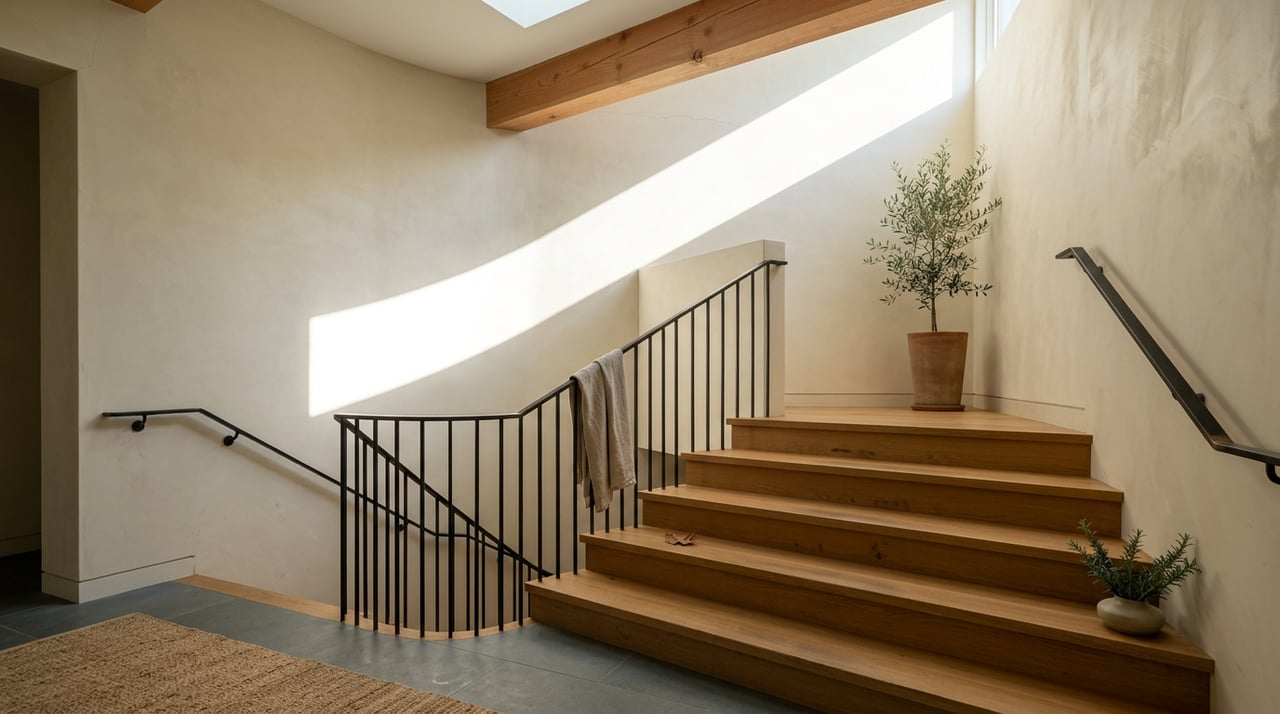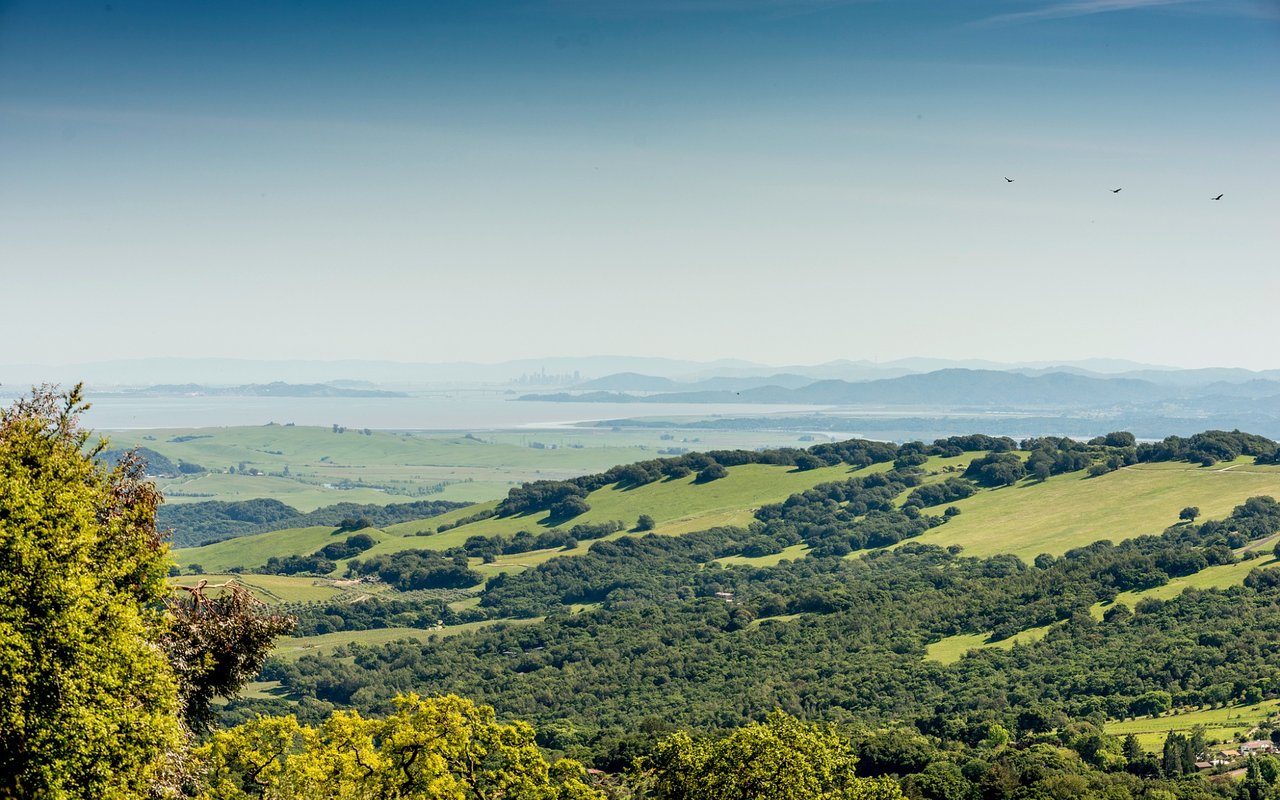
Sonoma represents one of California’s most distinctive real estate markets. For those considering investing in real estate in Sonoma, understanding its dynamics means recognizing the intersection of heritage, innovation, and scarcity. Properties in this region do more than appreciate; they offer an experience rooted in culture and landscape. Each investment opportunity, whether a vineyard estate, a contemporary retreat, or a historic downtown residence, carries its own unique rhythm and potential.
Sonoma’s Real Estate Landscape
Sonoma County comprises multiple submarkets that appeal to distinct investor profiles. The town of Sonoma itself offers heritage properties, walkable neighborhoods, and boutique commercial potential. Northern communities such as Healdsburg and Geyserville attract interest for vineyard acquisitions and luxury vacation rentals. Western areas, including Sebastopol, cater to buyers focused on sustainability and craftsmanship, with properties emphasizing design integration with the landscape.
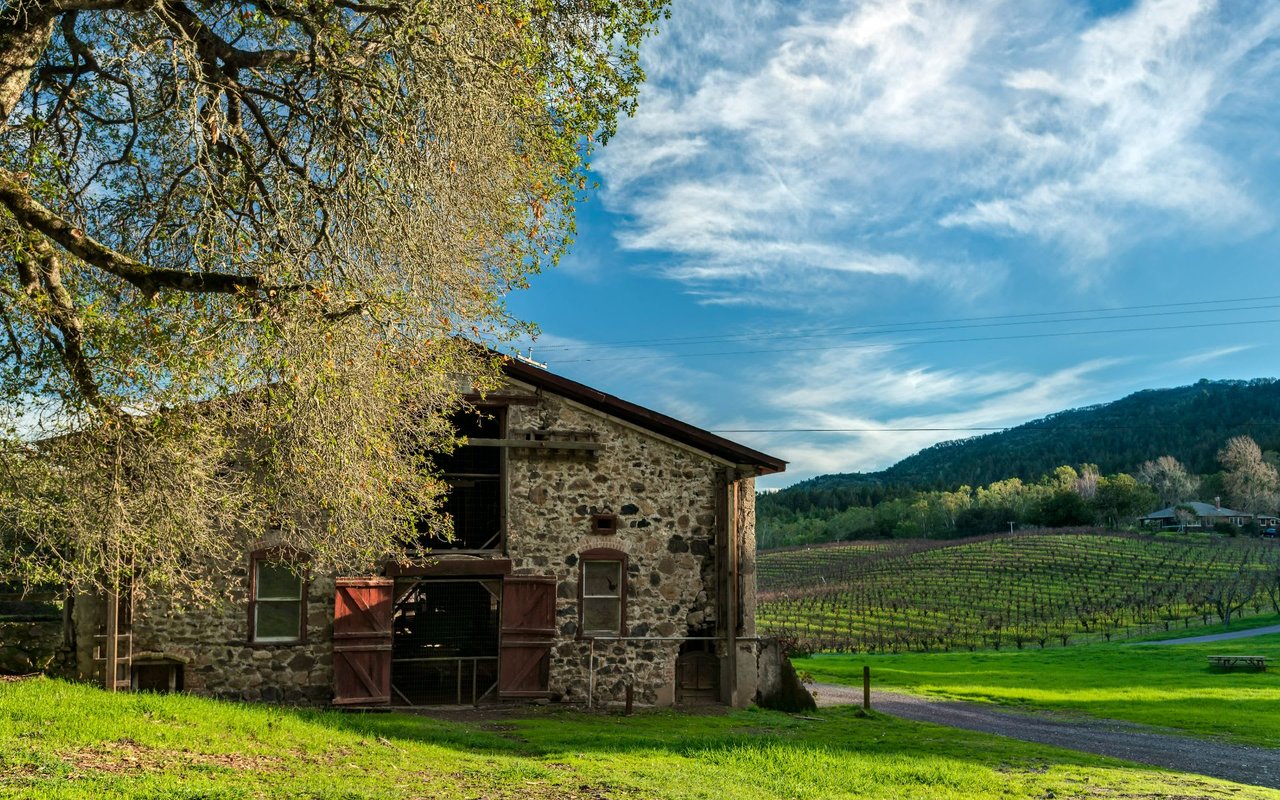
Local zoning and land-use designations shape the investment experience. Agricultural preservation zones restrict overdevelopment, maintaining exclusivity while stabilizing long-term value. Meanwhile, residential areas surrounding the historic plaza often experience steady demand from buyers seeking proximity to cultural amenities.
Local zoning and land-use designations shape the investment experience. Agricultural preservation zones restrict overdevelopment, maintaining exclusivity while stabilizing long-term value. Meanwhile, residential areas surrounding the historic plaza often experience steady demand from buyers seeking proximity to cultural amenities.
The Appeal of Vineyard and Estate Properties
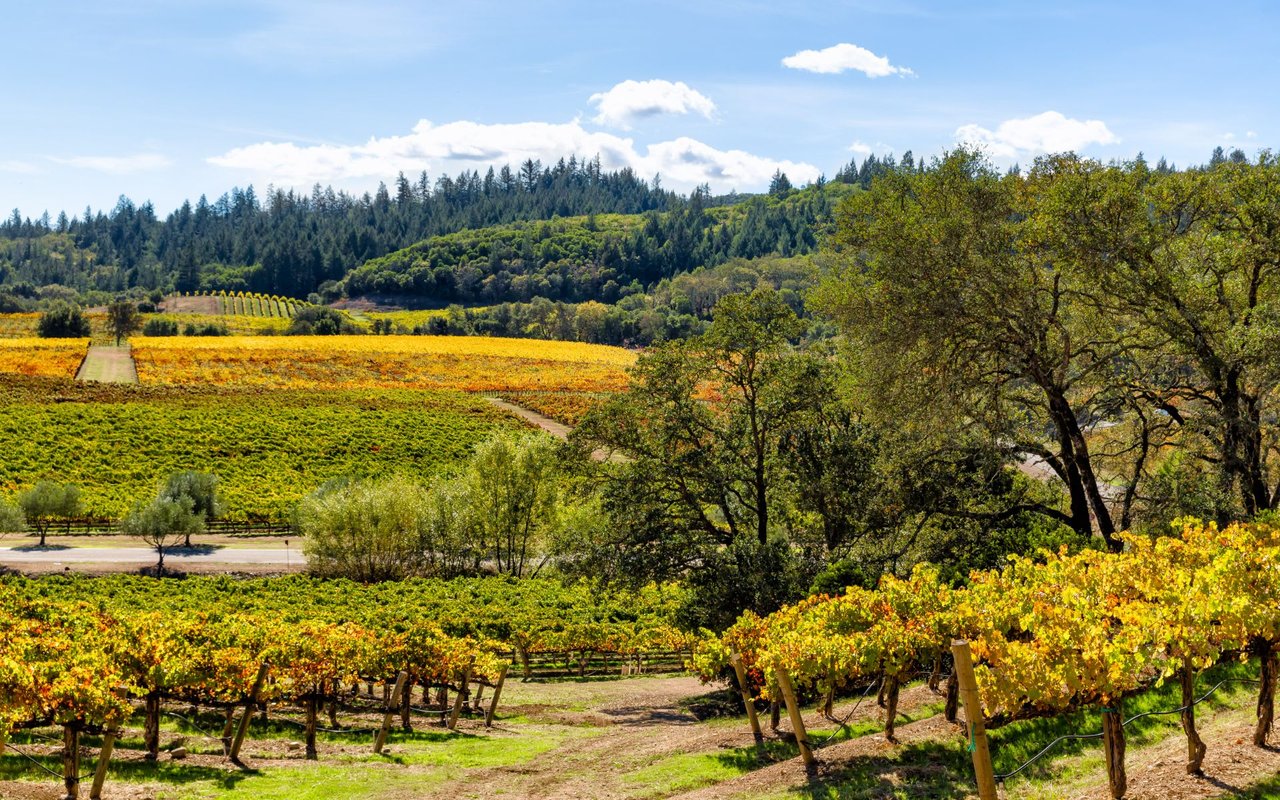
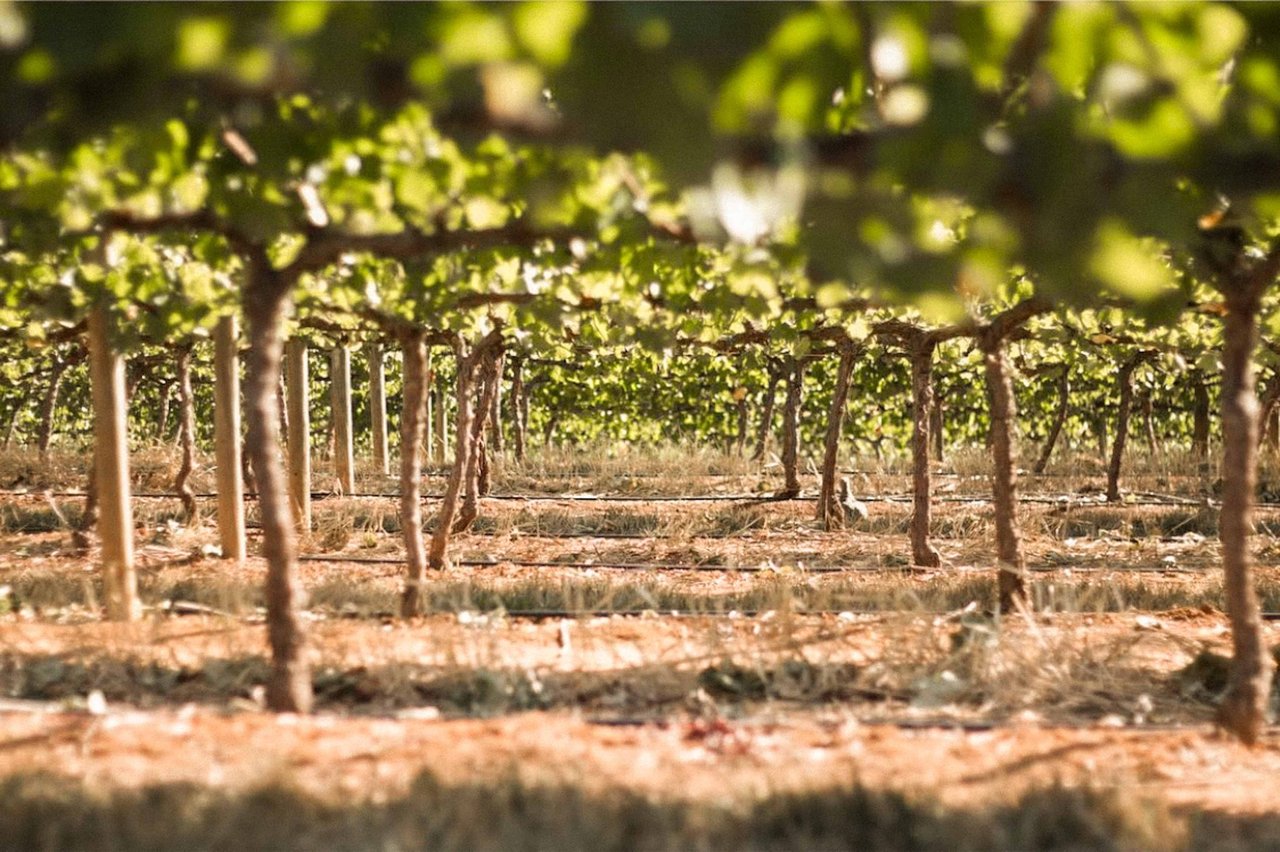
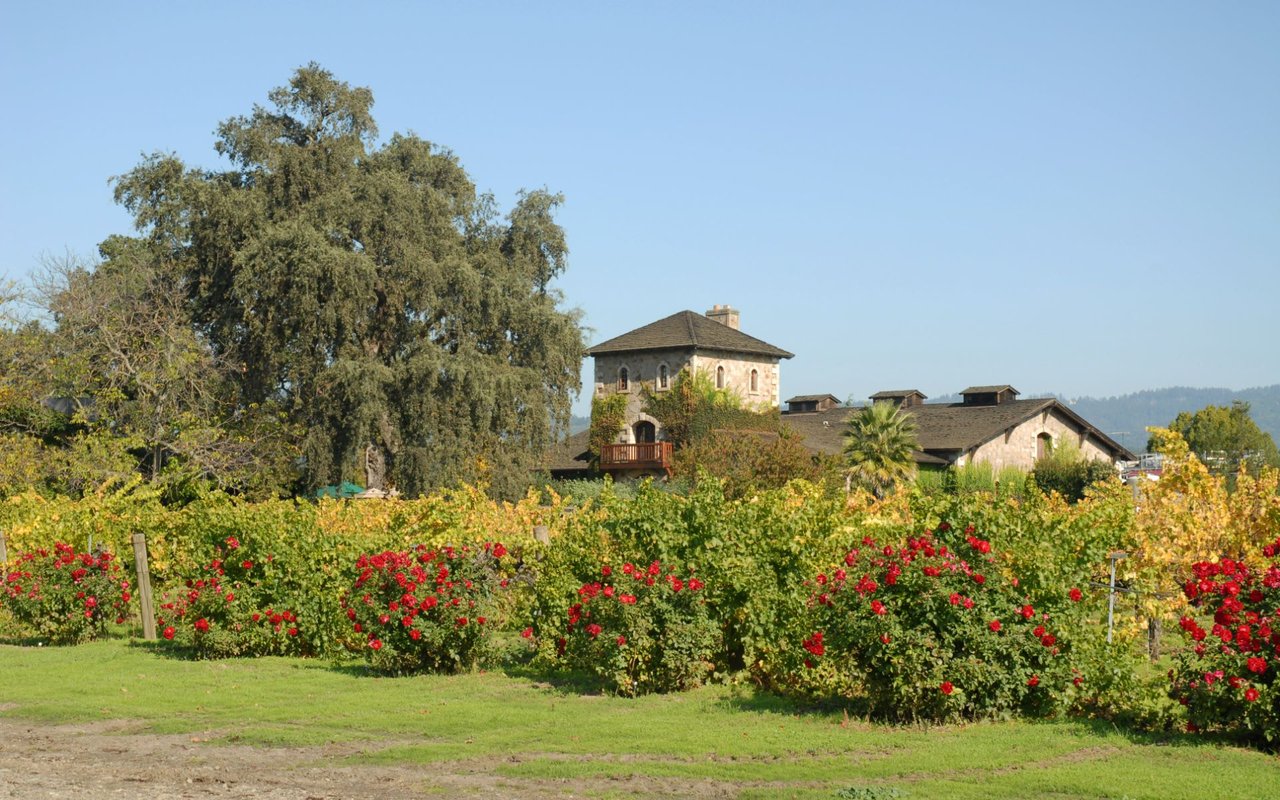
Vineyard and estate properties hold lasting appeal in Sonoma because they offer the opportunity to cultivate varietals that thrive in the region’s coastal-influenced climate, particularly Pinot Noir and Chardonnay. These grapes flourish in Sonoma’s mix of fog, cool breezes, and well-drained soils, giving owners a chance to produce wines closely tied to the area’s identity. Many estates pair this agricultural potential with thoughtful residential elements such as guest suites, terraced grounds, and indoor-outdoor entertaining spaces, allowing buyers to enjoy both the land’s natural productivity and the lifestyle that comes with stewarding a property rooted in Sonoma’s winemaking heritage.
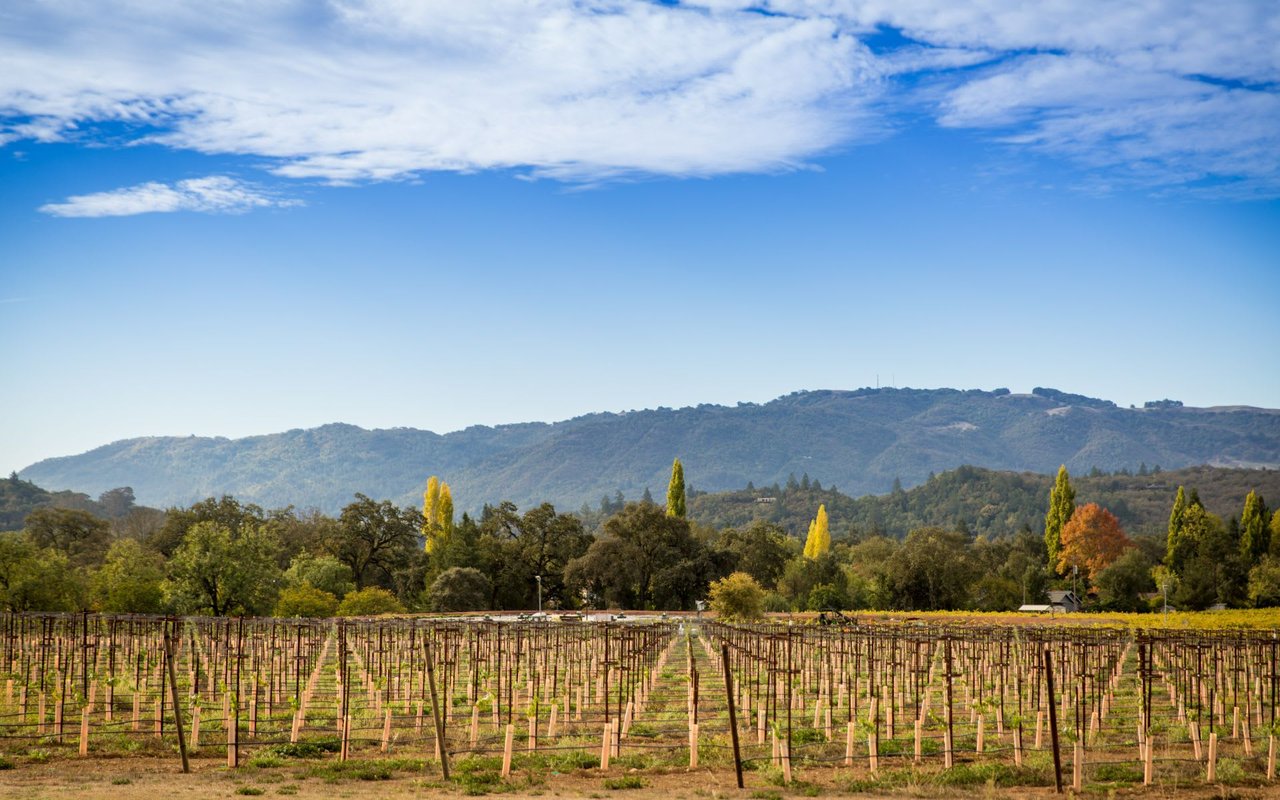
Ownership in Sonoma’s wine country also introduces operational considerations. Successful vineyard investment requires attention to factors like soil composition, irrigation access, and appellation designation. Many buyers engage property managers or vineyard consultants to oversee operations while they focus on the broader financial strategy.
Ownership in Sonoma’s wine country also introduces operational considerations. Successful vineyard investment requires attention to factors like soil composition, irrigation access, and appellation designation. Many buyers engage property managers or vineyard consultants to oversee operations while they focus on the broader financial strategy.
Identify Emerging Opportunities
While traditional estates around Glen Ellen and Kenwood continue to command high demand, emerging areas reveal new potential for growth. The western corridors near Occidental and Graton have gained attention for artisanal wine production and boutique hospitality. Investors with foresight recognize that limited land availability in central Sonoma drives development interest into these adjacent enclaves.
Similarly, interest in sustainable building practices has expanded investment opportunities for eco-conscious developments. Properties incorporating solar power, reclaimed materials, and off-grid capability increasingly appeal to buyers seeking long-term environmental and financial resilience.
Similarly, interest in sustainable building practices has expanded investment opportunities for eco-conscious developments. Properties incorporating solar power, reclaimed materials, and off-grid capability increasingly appeal to buyers seeking long-term environmental and financial resilience.
The Role of Architecture and Design in Value
Architecture plays a central role in shaping property values in Sonoma, especially as architects and builders increasingly design with wildfire resilience in mind. Many new and renovated homes now incorporate passive house principles, creating air-tight building envelopes, eliminating traditional venting, and using high-performance materials that help reduce fire vulnerability while improving energy efficiency. These design choices not only enhance durability but also align with the region’s focus on sustainability and environmental harmony.
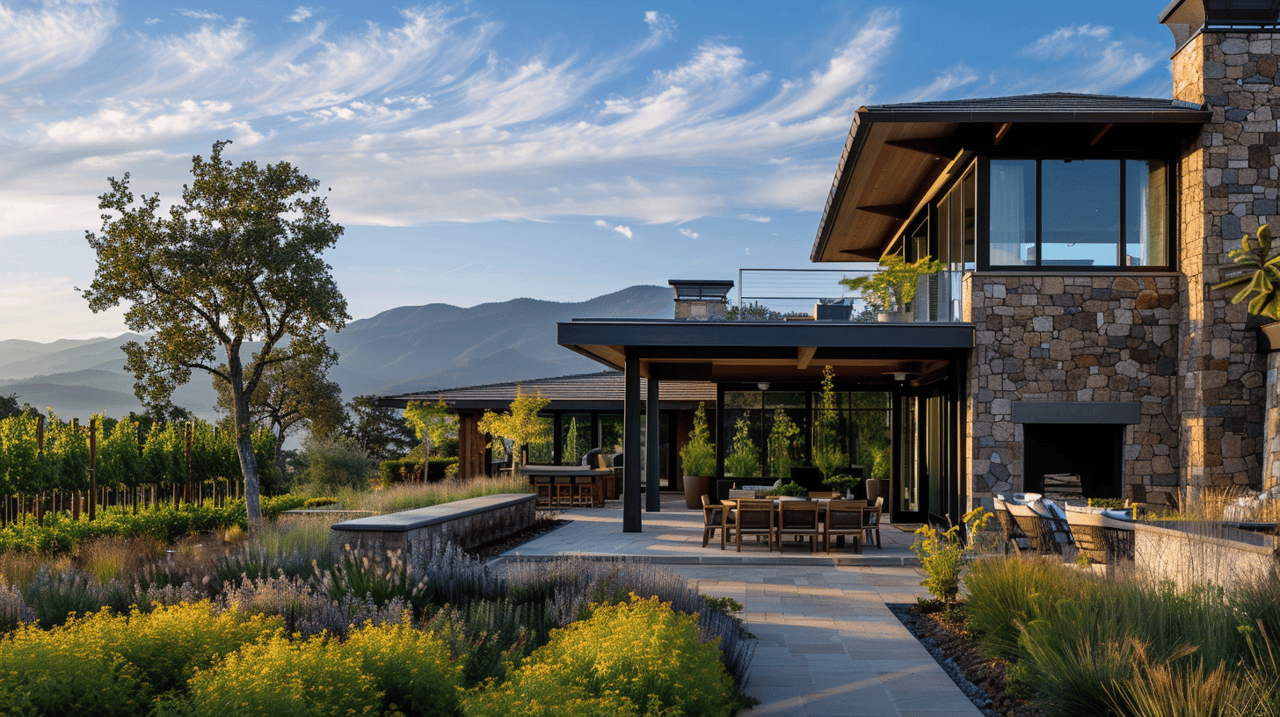
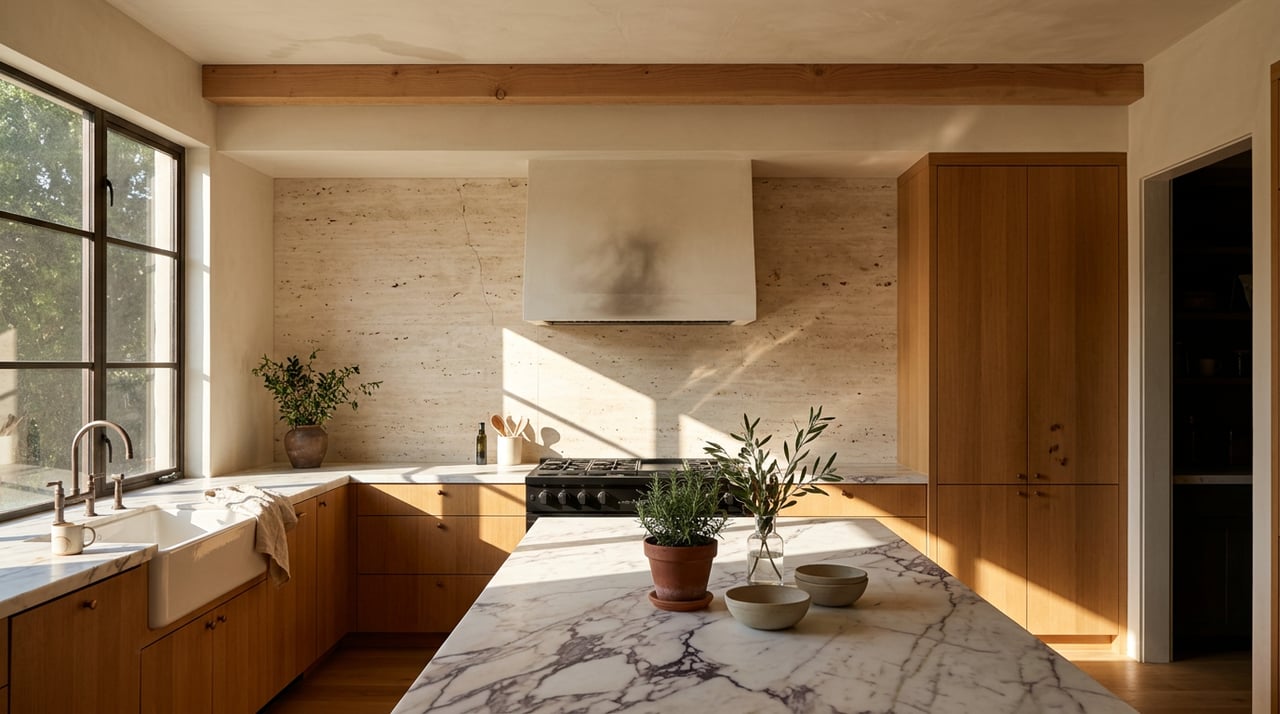
At the same time, architectural styles that blend seamlessly with Sonoma’s landscape continue to command strong demand. Homes that pair thoughtful siting, natural materials, and expansive indoor-outdoor layouts reflect both the area’s heritage and its evolving design priorities. This combination of resilience, sustainability, and aesthetic integration elevates overall value and helps properties stand out in a competitive market.
At the same time, architectural styles that blend seamlessly with Sonoma’s landscape continue to command strong demand. Homes that pair thoughtful siting, natural materials, and expansive indoor-outdoor layouts reflect both the area’s heritage and its evolving design priorities. This combination of resilience, sustainability, and aesthetic integration elevates overall value and helps properties stand out in a competitive market.
Short-Term Rentals and Hospitality Ventures
Sonoma’s hospitality appeal presents opportunities for investors pursuing income-generating assets. Vacation rentals located near the town plaza or along scenic routes, such as Highway 12, experience strong seasonal demand. Properties offering distinctive amenities consistently outperform others among travelers seeking curated wine country experiences.
However, local regulations governing short-term rentals vary from municipality to municipality. Investors must understand permitting requirements and occupancy limits before entering this segment. Well-managed hospitality ventures can deliver significant returns while aligning with Sonoma’s culture of refinement and exclusivity.
However, local regulations governing short-term rentals vary from municipality to municipality. Investors must understand permitting requirements and occupancy limits before entering this segment. Well-managed hospitality ventures can deliver significant returns while aligning with Sonoma’s culture of refinement and exclusivity.
The Influence of Agricultural and Environmental Factors
Agricultural preservation remains a cornerstone of Sonoma’s land-use philosophy. These protections preserve the character of wine country while also limiting new development, thereby supporting long-term appreciation for existing properties. For investors, this equilibrium between restriction and desirability creates a reliable framework for stable value growth.
Environmental considerations also affect ownership and operation. Water rights, soil management, and hillside grading regulations can influence the feasibility of expansion or renovation. Investors who anticipate these dynamics are better positioned to navigate the complexities of ownership in a regulated but rewarding environment.
Environmental considerations also affect ownership and operation. Water rights, soil management, and hillside grading regulations can influence the feasibility of expansion or renovation. Investors who anticipate these dynamics are better positioned to navigate the complexities of ownership in a regulated but rewarding environment.
Evaluate Long-Term Market Trends
Sonoma’s market historically demonstrates resilience through economic shifts. The region’s combination of limited inventory, tourism demand, and agricultural production sustains property values even during national downturns. Luxury buyers seeking stability often favor Sonoma over more volatile metropolitan markets because of its tangible, land-based economy.
Demographic trends further reinforce long-term appeal. An increasing number of remote professionals and retirees have identified Sonoma as an ideal setting for permanent relocation, driving consistent demand for high-quality housing. Investment decisions supported by historical data and forward-looking analysis reflect an understanding of the region’s enduring desirability.
Demographic trends further reinforce long-term appeal. An increasing number of remote professionals and retirees have identified Sonoma as an ideal setting for permanent relocation, driving consistent demand for high-quality housing. Investment decisions supported by historical data and forward-looking analysis reflect an understanding of the region’s enduring desirability.
Navigate Legal and Financial Structures
High-value transactions in Sonoma often require complex financial and legal frameworks. Investors should familiarize themselves with California’s property tax laws, title structures, and trust or LLC ownership options. These frameworks influence not only liability protection but also estate planning efficiency.
Financing strategies for luxury properties may include private lending, equity partnerships, or self-financing through investment portfolios. Each approach carries implications for flexibility and return. A well-informed investor collaborates with legal and financial professionals who possess a deep understanding of both the local market and the regulatory context.
Financing strategies for luxury properties may include private lending, equity partnerships, or self-financing through investment portfolios. Each approach carries implications for flexibility and return. A well-informed investor collaborates with legal and financial professionals who possess a deep understanding of both the local market and the regulatory context.
Build Relationships Within the Community
Sonoma’s real estate ecosystem is relationship-driven. Success often depends on local insight and professional trust. Collaborating with experienced agents, architects, and contractors who understand the region’s standards accelerates results and prevents costly missteps. Community relationships also provide access to exclusive listings and private opportunities that are not available through public channels.
Participation in local organizations can also enhance familiarity with the region’s economic rhythm. Investors who integrate into the community demonstrate commitment, which can influence negotiations and partnerships. In an area where reputation shapes opportunity, cultivating credibility yields tangible benefits.
Participation in local organizations can also enhance familiarity with the region’s economic rhythm. Investors who integrate into the community demonstrate commitment, which can influence negotiations and partnerships. In an area where reputation shapes opportunity, cultivating credibility yields tangible benefits.
Invest Wisely in Sonoma
Sonoma’s real estate market rewards insight, preparation, and local expertise. Caroline Sebastiani brings deep regional knowledge and an informed approach to investment strategy, guiding clients through acquisitions that balance financial prudence with lifestyle goals. If you’re considering investing in real estate in Sonoma, connect with Caroline Sebastiani to gain access to exclusive opportunities, personalized market analysis, and a seamless path toward ownership in one of California’s most exceptional destinations.
*Header image Courtesy of Caroline Sebastiani
*Header image Courtesy of Caroline Sebastiani