By Caroline Sebastiani
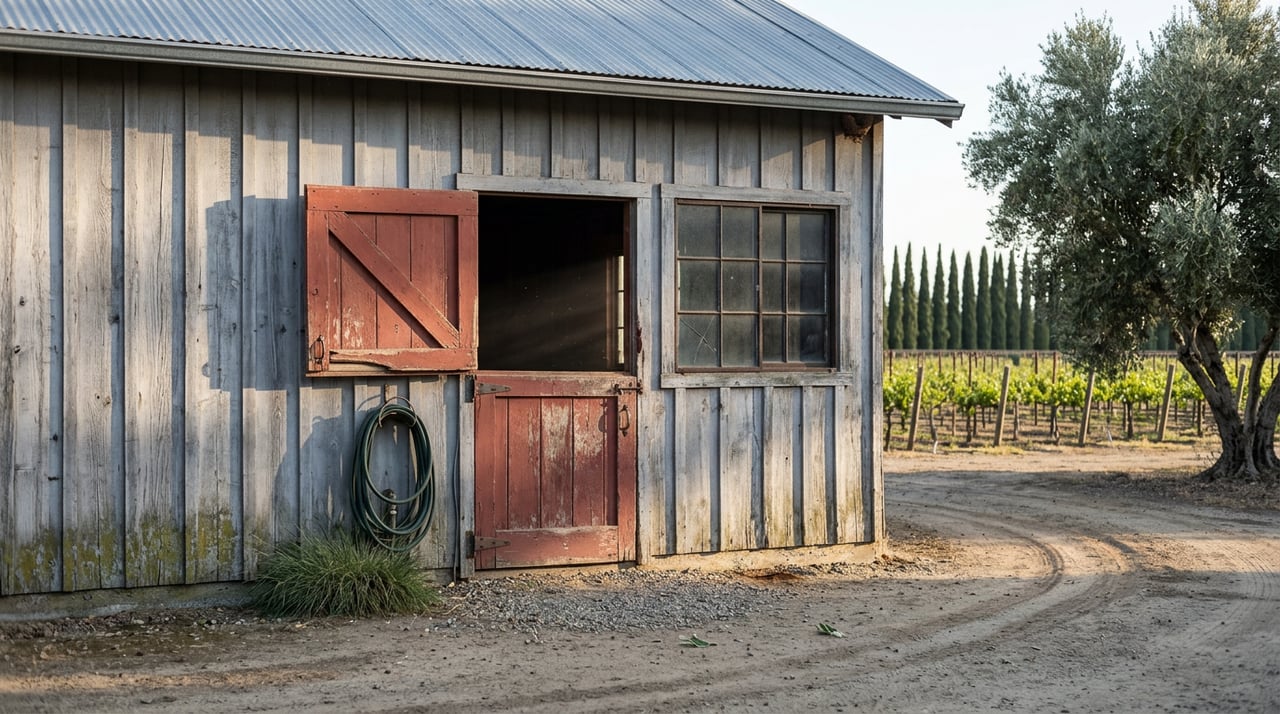
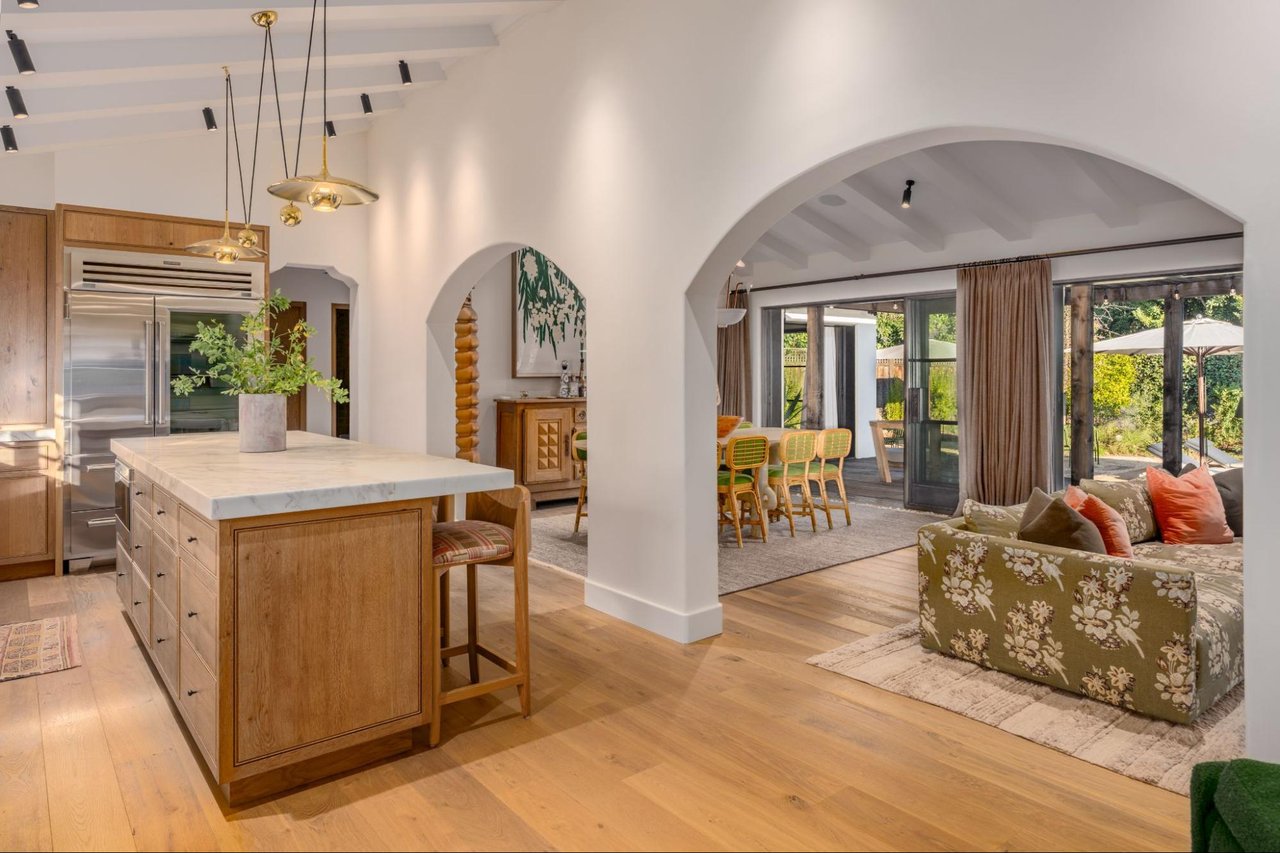
Sonoma Valley homes have a quality that's hard to manufacture: the feeling that the interior and the landscape outside are in conversation with each other. The light shifts throughout the day, the views change with the seasons, and the best-furnished homes here feel like they were designed with all of that in mind. Choosing furniture for a home in the valley isn't just about filling rooms; it's about making decisions that hold up against the setting.
Key Takeaways
- Sonoma's wine country aesthetic favors natural materials and earthy tones
- Indoor-outdoor flow is a defining feature of valley homes, and furniture choices should account for how rooms open onto terraces, gardens, and vineyard views
- Scale and proportion matter more here than in urban homes, where rooms tend to be smaller and more compartmentalized
- Local and artisan sourcing fits both the aesthetic and the values of the community
Start with the Setting, Not the Style
The most common mistake in furnishing a Sonoma home is bringing in a fully formed aesthetic from somewhere else (a Bay Area loft sensibility, a coastal look) without accounting for what's actually outside the windows. A home perched above the valley with views of the Mayacamas requires a different interior logic than a cottage tucked into the oaks above Glen Ellen.
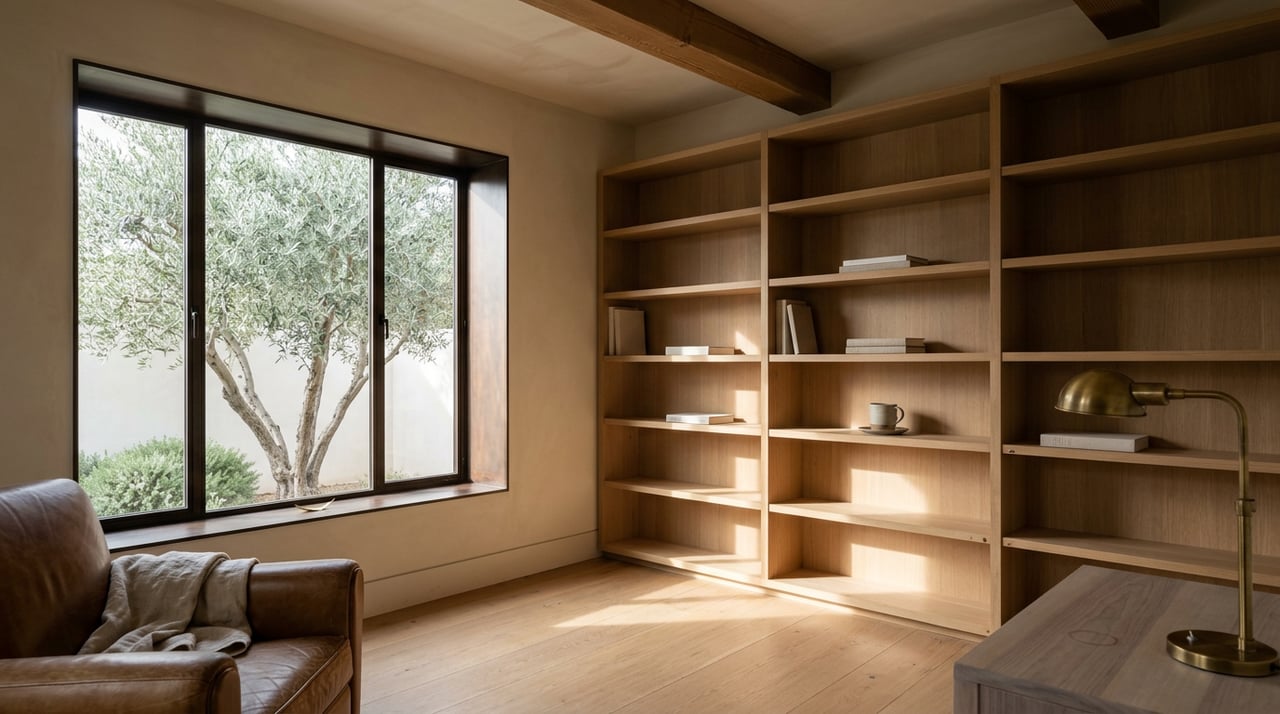
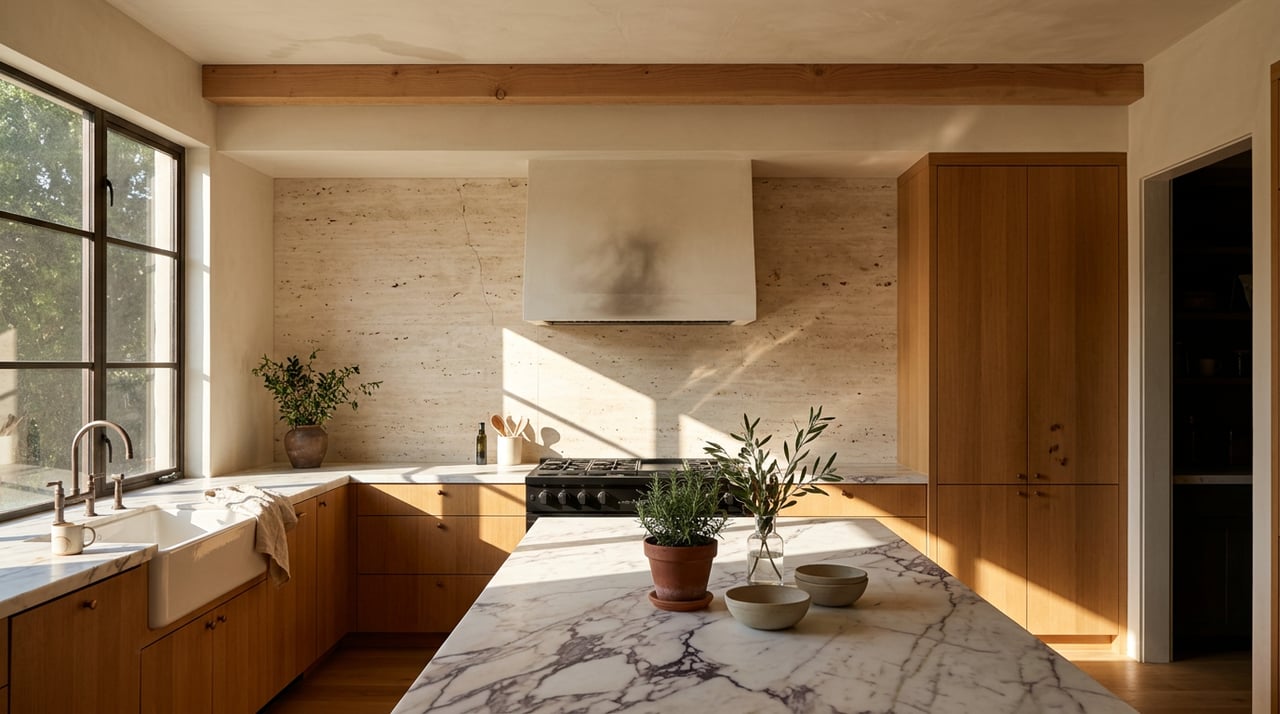
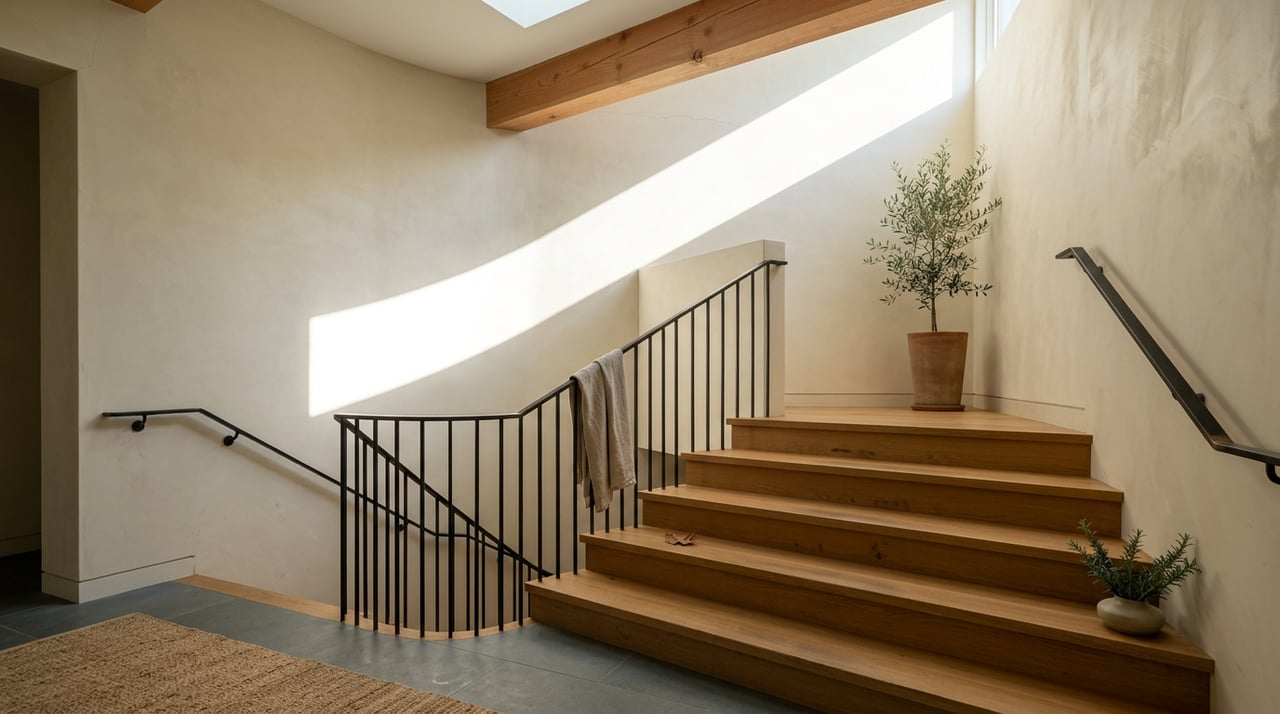
The wine country interior aesthetic at its best is what designers working in the region describe as natural, elevated, and livable. Earthy tones anchor most palettes: warm browns, muted greens, stone, linen, the color of dry grass in late summer. Materials that age well and show character over time (aged oak, travertine, hand-thrown ceramic, top-grain leather) perform better here than highly finished or trend-driven pieces.
Questions to Ask Before You Buy
- Does this piece read as heavy or light against the room's natural light? Sonoma's strong directional light means furniture that works in a showroom can feel wrong in practice
- How does this material hold up across the valley's warm, dry summers and wet winters, especially in rooms that open to the outdoors?
- Is the scale appropriate for the room's ceiling height and footprint? Valley homes, particularly renovated estates, tend toward generous proportions that punish undersized furniture
- Does this piece have a material or craft story, or is it simply stylish? The latter dates faster in an environment this specific
Indoor-Outdoor Living Changes the Equation
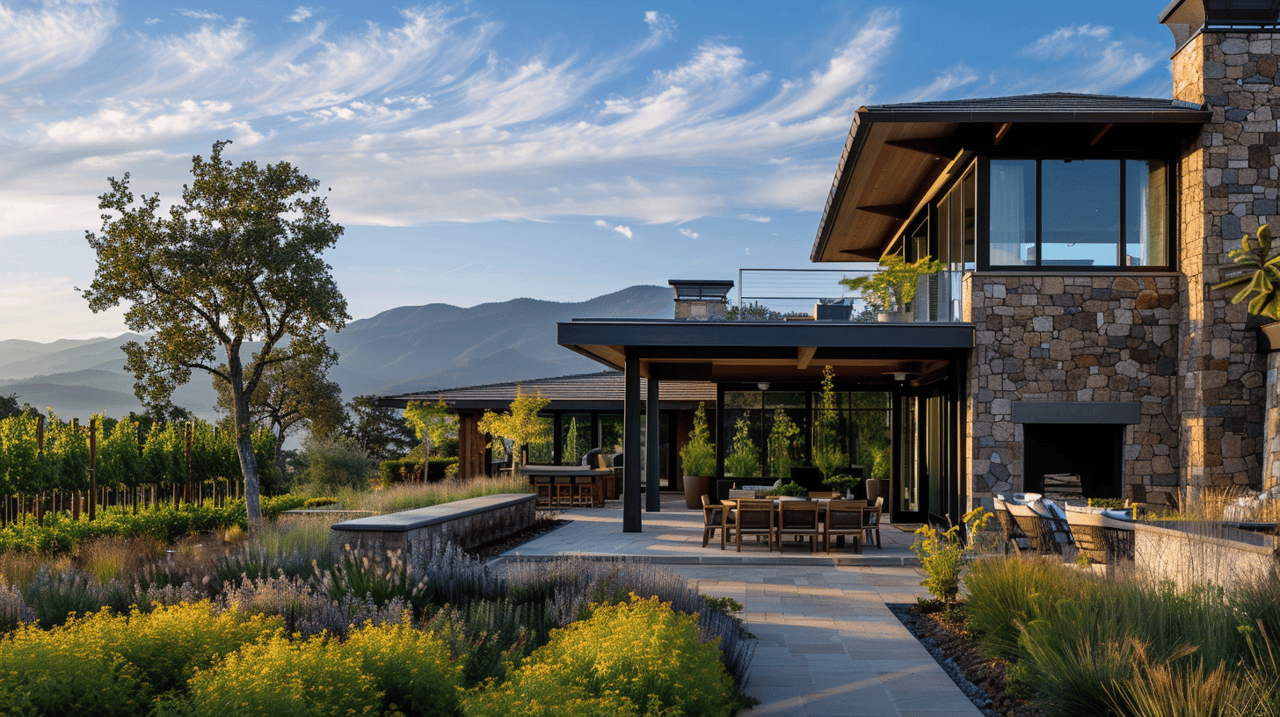
Most significant Sonoma Valley homes are built around the indoor-outdoor relationship: walls of sliding glass, covered terraces that function as rooms for most of the year, dining areas that blur the line between the interior and the vineyard or garden beyond. Furniture choices in those transitional spaces carry particular weight.
For covered outdoor dining, teak and powder-coated aluminum hold up well in the valley's climate without looking utilitarian. The best outdoor pieces here don't announce themselves as outdoor furniture; they read as extensions of the interior. For living spaces that open fully to the outside, upholstery should account for sun exposure and airflow, with performance fabrics that don't sacrifice the texture that makes a room feel genuinely comfortable.
Priorities for Transitional Spaces
- Dining tables that seat 8–10 comfortably; Sonoma homes are built for gathering, and undersized dining furniture rarely serves the space as intended
- Seating arrangements anchored by area rugs that define the room without blocking view lines to the exterior
- Lighting in weathered bronze or hand-blown glass that works across daylight and evening without feeling thematic
- Cushion storage solutions for outdoor pieces, since even covered terraces need a plan for the valley's seasonal rain
Where to Source Thoughtfully
One of the pleasures of furnishing a Sonoma home is that the sourcing landscape here is strong. The valley has a deep tradition of artisan craft, and local designers produce work that fits the environment in ways catalog furniture rarely does.
Lindsay Gerber Interiors is a high-end local studio with a portfolio spanning Sonoma, St. Helena, and Pacific Heights. They work with a diverse range of styles, including mid-century, farmhouse, and modern. Fletcher Rhodes, featured in Architectural Digest and House Beautiful, draws direct inspiration from the surrounding landscape and translates it into interiors that feel rooted rather than imported.
For buyers who prefer a more hands-on approach, the region's antique dealers and the Saturday markets in Sonoma town regularly surface pieces with provenance that hold up beautifully in both new construction and historic homes.
What to Prioritize When Working with a Local Designer
- Wine country experience means understanding the climate, the light, and the lifestyle demands of valley homes in ways generalist firms often don't
- Local designers connect you with regional craftspeople (cabinetmakers, upholsterers, ceramic artists) whose work adds specificity that retail sourcing can't replicate
- A cohesively furnished home in the valley photographs exceptionally well and commands buyer attention in a way that a generically furnished one doesn't
FAQs
How should I think about furnishing a Sonoma home I use primarily as a second home?
Durability and ease of maintenance should carry more weight than in a primary residence. Natural materials that age gracefully, furniture scaled for social use, and outdoor spaces equipped for intermittent use across all seasons. The goal is a home that feels fully alive when you're there and holds its quality when you're not.
Is it worth working with a local interior designer, or can I source everything myself?
For an estate property, a local designer pays for itself — in access to trade resources, knowledge of what actually performs in the valley's climate and light, and the ability to manage contractors who understand the region. For buyers who view the property as an investment, a well-designed interior also supports a stronger eventual sale.
What's the most common furnishing mistake in wine country homes?
Choosing pieces that look right in isolation rather than in context. Something beautiful in a showroom can feel wrong against the scale of a Sonoma estate, its light, or the view it's competing with. Starting with the setting (the room's proportions, its relationship to the outdoors) and working inward consistently produces better results than starting with a style and fitting the home around it.
Contact Caroline Sebastiani Today
The homes I work with in Sonoma Valley are as distinct as the people who own them, and how a property is presented makes a real difference in what buyers feel when they walk through the door. If you're thinking about buying or selling in the valley, reach out to me, Caroline Sebastiani — I'd love to help.
*Header photo courtesy of Caroline Sebastiani