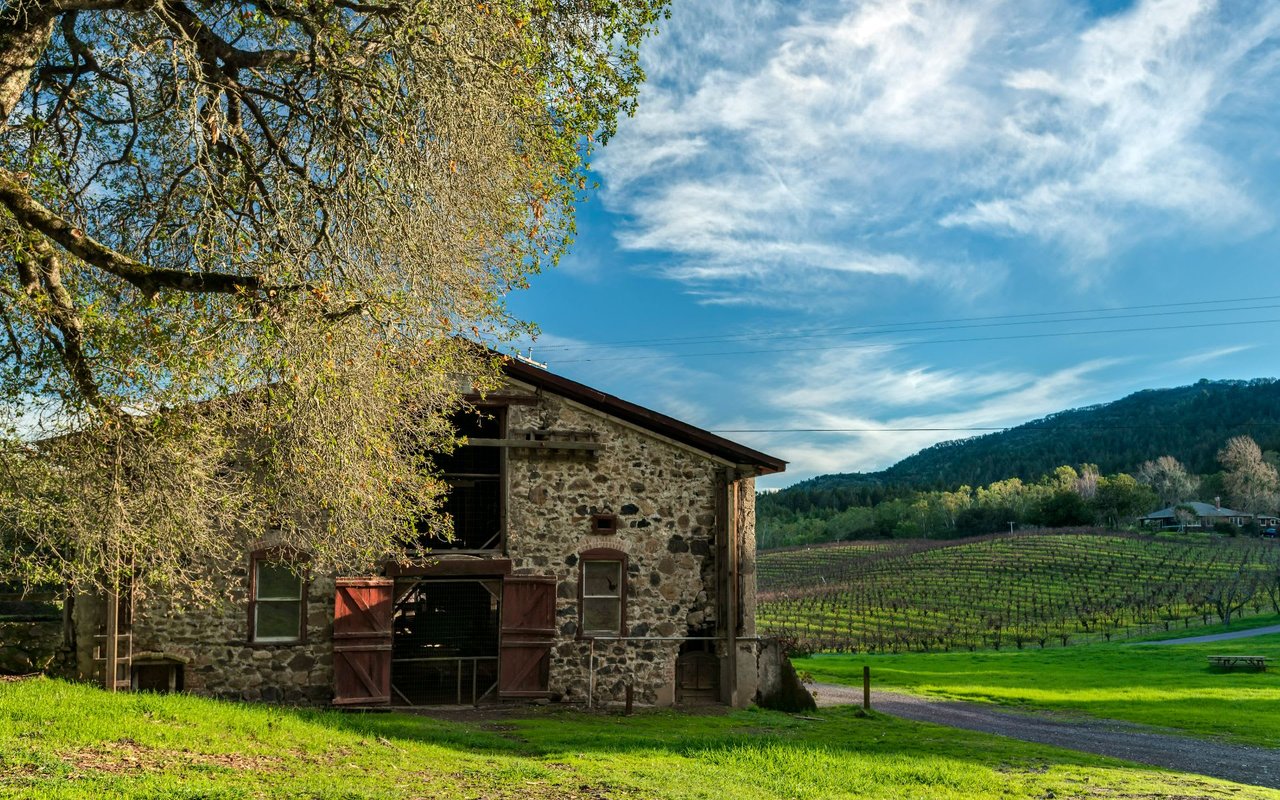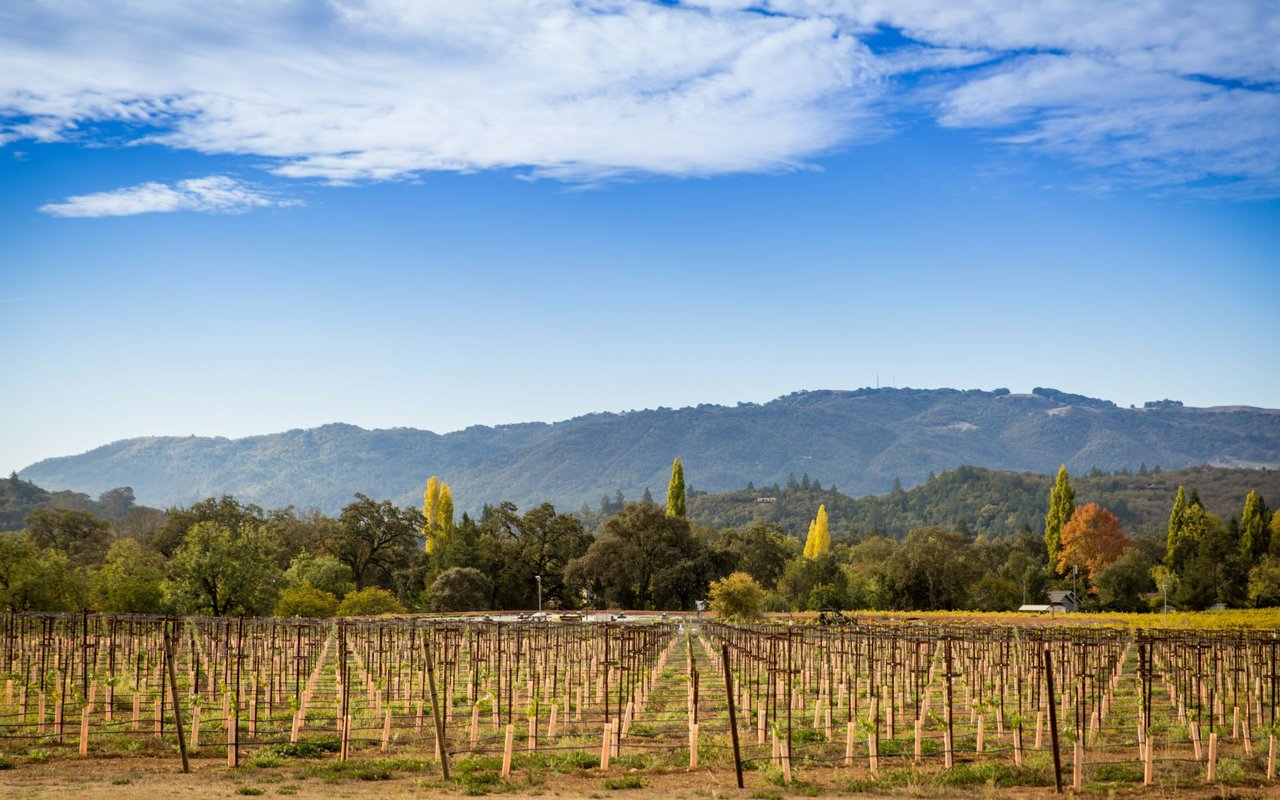
On Thursday, November 5, the county's "Z" zoning overlay comes off 3,997 parcels in unincorporated Sonoma County. For four decades it barred accessory dwelling units on those parcels. The Press Democrat reported the change as the county lifting a ban. The same county staff report that recommended the change also notes that 1,450 of those parcels are under Williamson Act contracts. The county's rules for those contracts still list an ADU as an incompatible use.
That is more than a third of the affected parcels. For a buyer looking at vineyard and ranch property around Sonoma, Glen Ellen and Kenwood, the overlay was never the only gate. The farmland contract, the well, the septic system and the recorded subdivision map all stay in place after November 5, and they will carry the decision. A guest house is a question each parcel answers on its own paperwork.
The Vote, and Why It Barely Drew Comment
On October 6, the Board of Supervisors adopted Ordinance 6574 unanimously. Supervisor Rabbitt moved it, Supervisor Hopkins seconded, and all five supervisors voted aye. The draft minutes record two public speakers and a public hearing that lasted about two minutes. According to the county's presentation, 651 of the affected parcels are in District 1, the supervisorial district that covers Sonoma Valley.
The quiet vote makes sense once you see how little choice the county had. In January 2025, the California Department of Housing and Community Development told the county the Z district did not comply with state ADU law. The county could either justify the overlay parcel by parcel or remove it. HCD's guidance closed off the first option. Findings can restrict the optional ADUs a county may choose to allow, but they cannot block the minimum the state requires. Sonoma County's rules permit only that state minimum, so the overlay had nothing left to restrict.
The staff report's account of the overlay matters more to a buyer than the vote does. The county created the Z district on November 26, 1985, after a series of temporary ADU moratoriums over water. Over time it was applied for reasons beyond its stated purposes. It was spread widely across agricultural parcels after the 1989 General Plan update, imposed as a subdivision condition to limit density, and added in response to comments about community character. The report says many of those applications "lack documented justification and fact-based evidence."
So for years, the "no ADU" line on a property profile often recorded a policy choice rather than a finding about the land. Removing it says nothing new about the land either. The facts about water and wastewater are exactly what they were last month.
The Contract the Overlay Never Touched
The Williamson Act exception is the most important detail in the county's materials for vineyard and ranch buyers. Under state ADU law, agricultural zoning alone can no longer justify refusing an ADU. HCD told the county an ADU must be allowed where a primary dwelling is permitted by right, whatever the land use category and whatever farmworker housing sits on the parcel. Ordinance 6544, adopted in December 2025, lists ADUs as permitted in the LIA, LEA, DA and RRD agricultural and resource zones.
A Williamson Act contract works differently from zoning. It is a recorded agreement between the owner and the county, and it runs with the land. The county's Uniform Rules for Agricultural Preserves and Farmland Security Zones decide which uses are compatible on contracted land, and they currently call ADUs incompatible. The staff report says state ADU law does not override them. It adds that the Board could make ADUs a compatible use in a future update, but no such update was part of this vote.
In practice, the parcels most likely to draw a vineyard estate buyer in Sonoma Valley are the ones where the overlay's removal changes the least. A contracted parcel that loses its Z designation on November 5 still has a recorded agreement that treats a second unit as incompatible.
Where the Well Decides
Without the Z district, the county reviews water at the building permit stage. Any new dwelling has to show a legal connection to an adequate water supply. On wells, Permit Sonoma's Well and Septic Section applies County Code Section 7-12. It sets yield, storage and testing standards for new second dwellings, ADUs included, in Class 3 "Marginal Groundwater" and Class 4 "Low or Highly Variable Water Yield" areas.
Those classes come from the county General Plan. Class 1 covers major groundwater basins and Class 2 major natural recharge areas. The county's groundwater availability map is dated December 6, 2016. It says it is illustrative, not parcel-specific, and that a parcel-level answer requires a site study. The valley floor sits over the Sonoma Valley Groundwater Subbasin. It runs from San Pablo Bay to about two miles south of Kenwood, takes in Sonoma and Glen Ellen, and is bounded generally by the Sonoma and Mayacamas mountains. Many estate parcels, though, sit on hillsides and in side valleys where only the map and a well test can say which class applies.
Wastewater follows a similar sequence. Any permit to install or upgrade an onsite wastewater treatment system to support a new dwelling must be issued before the dwelling's building permit, and the system must pass final inspection before anyone can occupy the unit. Fire review is also site-specific. Following state guidance, the staff report says CAL FIRE hazard severity zones govern how a site is built, through defensible space, setbacks and materials, and are not grounds for prohibiting an ADU.
The market already prices this. In early October, SonomaNews reported a 107-acre estate at 3866 Lovall Valley Road listed at $17.49 million. Its listing pointed to four additional parcels with wells and perc/septic designs as the basis for a possible multi-residence compound. The listing's case for added residences rests on wells and septic designs already done, and zoning plays no part in it.
What Still Applies After November 5
| Checkpoint | Does removing Z change it? | What governs | Where it lives |
|---|---|---|---|
| Williamson Act contract | No | County Uniform Rules, which currently treat ADUs as incompatible | Recorded contract on title |
| Well-served water | No | County Code Section 7-12 yield, storage and testing standards in Class 3 and 4 areas | Well permit and yield records |
| Septic capacity | No | Septic permit issued before the building permit, final sign-off before occupancy | Permit Sonoma Well and Septic files |
| Outside service area agreement | No | Limits written into the agreement, changeable only with LAFCO approval | The agreement itself |
| Subdivision conditions | Partly | Building envelopes, easements and map notes apply where state ADU law allows | Recorded subdivision map |
| Number and size of units | No | Up to two ADUs plus one JADU per single-family lot, generally 1,200 sq ft per ADU | Ordinance 6544 |
The "Partly" row is where removing Z helps an owner most. Over the years the overlay was often added as a subdivision condition to hold down density. Under state ADU law, an ADU does not count against a lot's allowable density. The staff report adds that design review, setbacks or building envelopes based on scenic or aesthetic grounds "may not be enforceable" against an ADU, with or without the Z district. Envelopes, easements and studies tied to water, sanitation, biological resources and hazards still bind an ADU like any other dwelling.
Reading "ADU Potential" in a Listing Now
Expect the phrase to show up more often this winter in listings on former Z parcels. Once the overlay is off, it is accurate in a narrow sense. It says nothing about the contract, the well or the septic system, and those decide the outcome.
The timing works in a buyer's favor. The California Association of Realtors' September 2026 report put Sonoma County's median time on market at 61 days, against 76 in September 2025. Unsold inventory stood at 4.0 months. The countywide median existing single-family price that month was $875,000, up 10.1% year over year. These are countywide figures, not estate-segment figures, and C.A.R. cautions that medians move with the mix of homes sold. At that pace, a buyer usually has room to ask for the contract status, well records and septic history before an offer is written, rather than learning them in escrow.
Sellers face the same arithmetic in reverse. On a parcel where the guest house case already holds up, the paperwork that proves it is part of what the buyer is paying for.
A Short FAQ
Does the change apply inside the City of Sonoma? No. It covers inland unincorporated parcels only. The coastal zone will be handled separately.
Does removing the overlay approve an ADU on my parcel? No. Board chair Supervisor Rebecca Hermosillo said in a county newsletter statement, as quoted by SonomaNews, that the change keeps "important safeguards for water, wastewater and fire safety" while "recognizing that every property is different." Every ADU still goes through permitting.
How do I find out whether a parcel was on the list? The ordinance's Exhibit B lists the affected parcel numbers, and Attachment 7 maps them. Both are posted with the Board's October 6 agenda item.
Could Williamson Act parcels gain ADUs later? The staff report says the Board could add ADUs to the Uniform Rules as a compatible use in the future. No such change has been made.
This post is general information, not legal, tax or financial advice. Confirm any parcel's contract status, water and septic standing, and permit path with Permit Sonoma and your own attorney or land use consultant.
If you own or are considering a Sonoma Valley estate where a second residence matters to the value, Caroline Sebastiani can help you line up the contract, well and septic records before the property is priced or an offer is written. Request a free home valuation to start.