You've bought before. You know how escrow works, you understand what a contingency period is for, and you're not going to be rattled by a seller's counteroffer. What catches even experienced buyers off guard in Sonoma isn't the mechanics of a transaction — it's the questions they didn't know to ask about this specific market.
Wine country real estate has its own layers: insurance complexity, water rights on rural parcels, the difference between a property with true vineyard income and one that just looks the part. Getting those questions right before you write an offer is what separates a smart purchase from an expensive lesson.
Key Takeaways
- Insurance insurability in Sonoma must be confirmed before making an offer, not after
- The luxury market above $2M is the most buyer-favorable it has been in years, with properties selling closer to 90–94% of asking price and longer negotiating windows
- Water rights, well conditions, and vineyard zoning are Sonoma-specific due diligence items that don't come up in most other markets
- The right questions about a property's income potential, carrying costs, and deferred maintenance separate well-priced opportunities from attractively listed liabilities
What Is the Insurance Picture for This Property?
In most markets, insurance is an afterthought — you shop for a policy after you're in contract. In Sonoma, it's one of the first calls I recommend making. California's wildfire risk has reshaped the insurance landscape dramatically, and Sonoma County properties vary widely in their insurability depending on microclimate, proximity to a fire department, water access, and whether the structure has been fire-hardened.
Before going deep on any property, get answers to these:
Insurance Questions to Ask Upfront
- Is the property in a High or Very High Fire Hazard Severity Zone? California's FHSZ designation affects both insurance availability and what the seller is required to disclose under AB 38, including a Fire Hardening and Defensible Space inspection if the property is in a designated zone
- Is the property currently insured through the standard market or the California FAIR Plan? FAIR Plan is the insurer of last resort for properties that can't obtain private coverage — a meaningful signal about carrying costs and future resale
- What are the annual premiums, and have they changed in the past two years? High-fire-risk rural properties have seen premiums climb substantially; I've seen quotes on modest homes exceed $10,000 per year in elevated-risk areas
- Has the seller completed any fire-hardening improvements? Ember-resistant vents, Class A roofing, and defensible space clearance can improve both insurability and premium costs
What Does the Water Situation Look Like?
Sonoma's rural and semi-rural properties often rely on private wells rather than municipal water, and a well's condition, yield, and legal status is a due diligence category that urban buyers sometimes underestimate. On vineyard and agricultural parcels, water rights are a separate layer of complexity entirely.
Questions that matter here:
Water and Land Questions for Rural Properties
- Is the property on a private well or municipal water? If a well, request the most recent well report, including yield, depth, and water quality test results, and budget for an independent well inspection during the contingency period
- Are there riparian or appropriative water rights attached to the property? On parcels with irrigation needs, water rights are part of the asset — their presence, absence, or limitations affect both use and value
- What are the agricultural zoning designations, and what uses do they permit or restrict? Land zoned for agricultural use in Sonoma County can carry protections and restrictions that affect what you can build, subdivide, or operate on the property
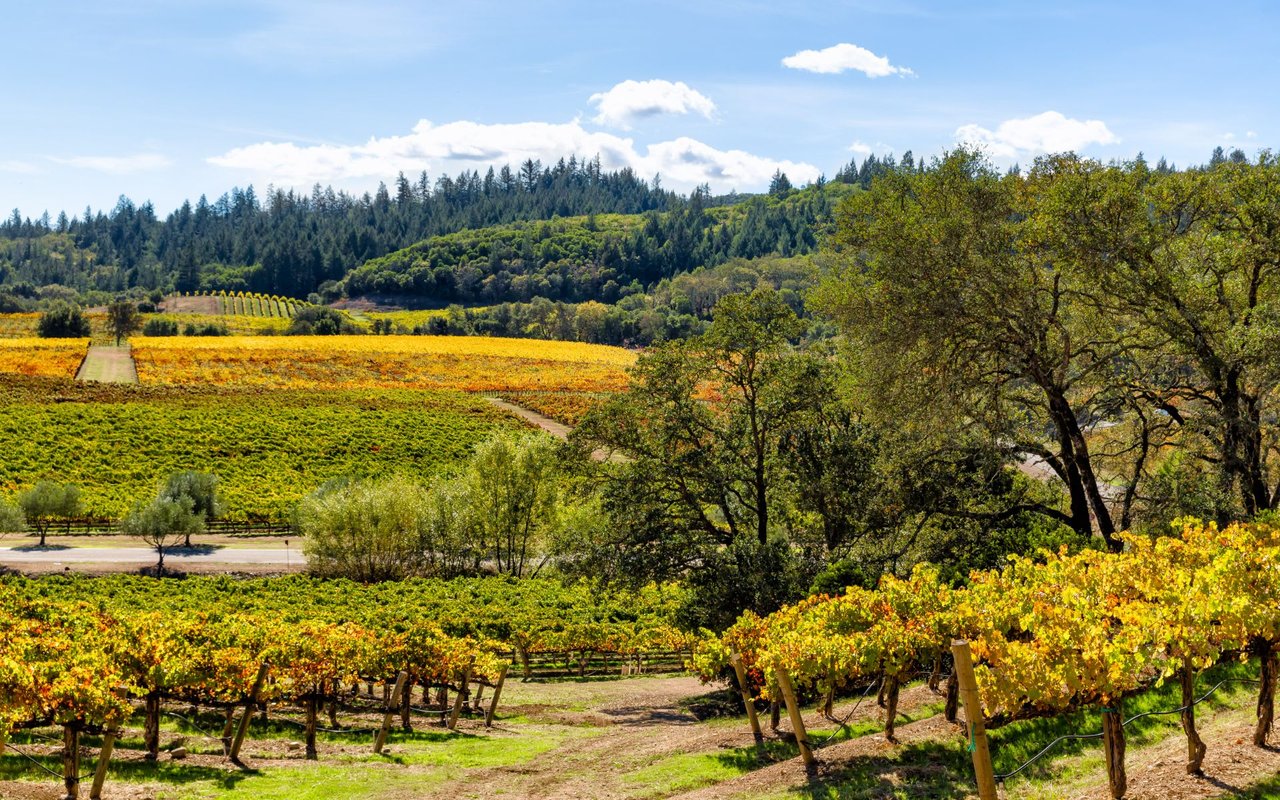
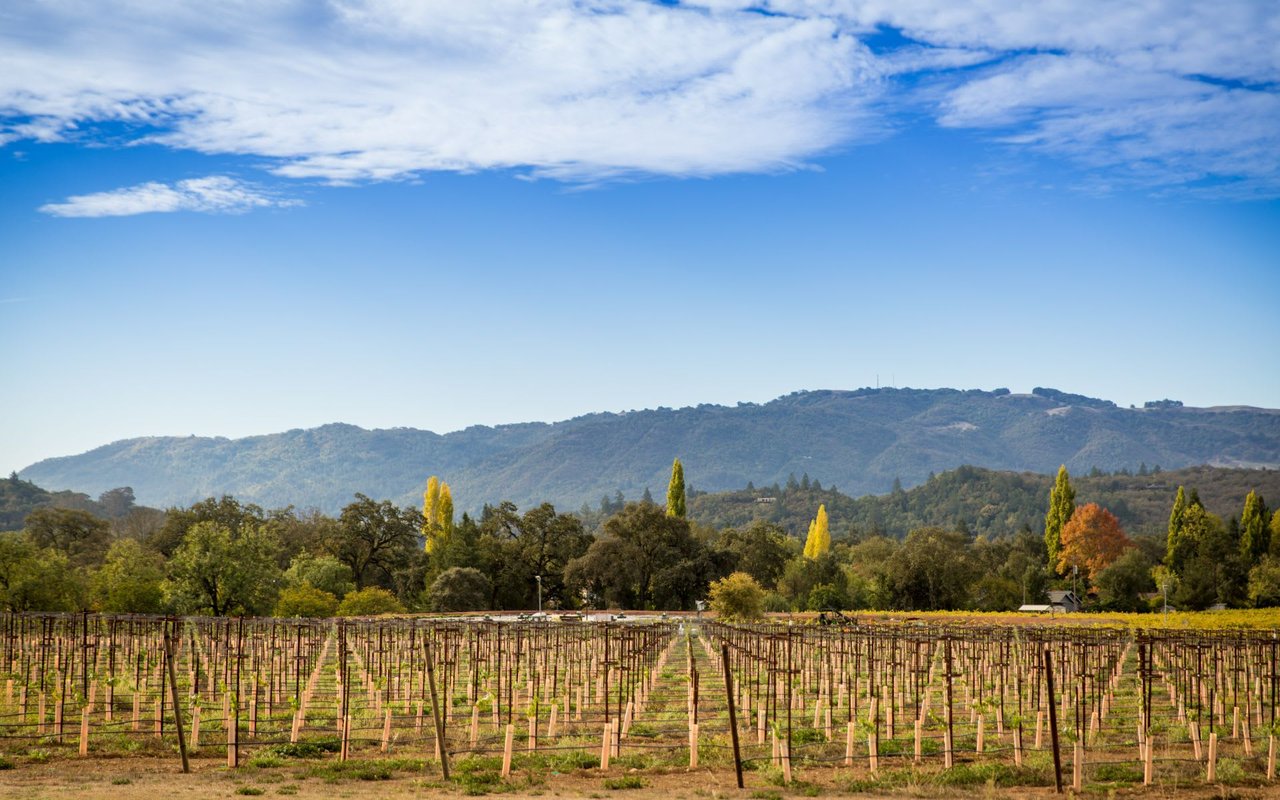
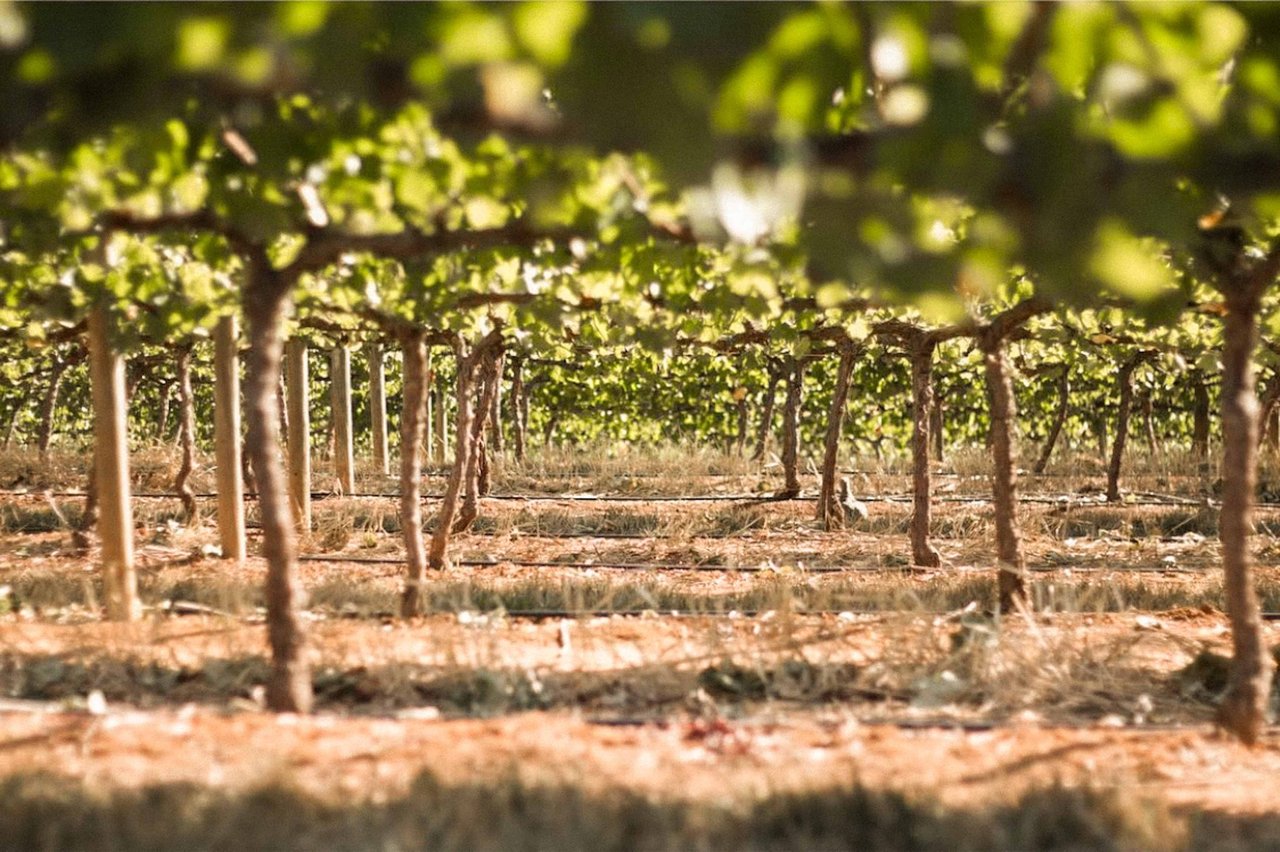
- If there are vines on the property, what is the actual income history? A vineyard that looks productive and one that generates consistent revenue are not always the same thing. Request contracts, tonnage records, and management cost history before pricing in any income assumption
What Has the Market Done Here, and What Is This Property Actually Worth?
The Sonoma luxury market above $2 million has undergone repricing. Inventory in that segment has climbed substantially, days on market in the luxury tier have stretched to over 100 days in some areas, and sellers are accepting closer to 90–94% of original asking price. That's useful negotiating context, but only if you're asking the right questions about a specific property rather than applying county-wide averages to a particular listing.
Pricing due diligence for experienced buyers should include:
Market and Valuation Questions
- What comparable sales actually support this asking price? In a market where inventory has surged and some sellers are still anchored to 2023 pricing, the gap between a listing price and a defensible valuation can be significant
- How long has this property been on the market, and has it had any price reductions? Longer days on market combined with prior reductions often signal either a motivated seller or a structural issue with the property or its pricing; both are worth understanding
- What are the true carrying costs at this price point? Property taxes, insurance, HOA fees if applicable, well or septic maintenance, and vineyard management costs if relevant — the full picture of what ownership costs annually matters as much as the purchase price
- Are there any deferred maintenance items the seller is aware of? California requires disclosure of all material defects, but a seasoned buyer asks the question directly rather than waiting to find it buried in disclosure documents
FAQs
Is now a good time to buy in the Sonoma luxury market?
For buyers with clarity on what they want and the capital to move, yes. The luxury market above $2 million is in the most buyer-favorable position it has been in years — more inventory, longer windows to evaluate, and sellers who have adjusted expectations. The buyers getting the best outcomes right now are the ones who are patient and specific rather than reactive.
How is buying in Sonoma different from other luxury markets I've purchased in?
The fire and insurance layer is the biggest difference from most other high-end markets. Beyond that, Sonoma properties (particularly rural or semi-rural ones) often involve water rights, agricultural zoning, and well infrastructure that require local expertise to evaluate properly.
What should I know about the disclosure process in Sonoma specifically?
California requires sellers to disclose all material defects in writing. In Sonoma, that disclosure package often includes fire hazard zone designations, defensible space inspection results, water and well documentation, and natural hazard disclosures. I review these carefully with every client; the details in disclosure packages are often where the most important due diligence conversations begin.
Contact Caroline Sebastiani Today
Buying in Sonoma at the luxury level isn't complicated, but it does reward buyers who know which questions to prioritize. With over 20 years in this market and more than $1 billion in sales, I've guided buyers through every kind of property and every kind of market condition Wine Country has offered. Whether you're evaluating a vineyard estate, a hillside retreat, or a downtown Sonoma property, I bring the local depth that makes the difference between a good purchase and a great one.
Reach out to me, Caroline Sebastiani, to start the conversation.
*Header photo courtesy of Caroline Sebastiani