By Caroline Sebastiani
In Sonoma, the decision to build often starts with land constraints rather than design inspiration. Parcel size limits, hillside regulations, vineyard adjacency, and infrastructure access all shape what is feasible long before architectural plans are finalized.
Buyers exploring building a house in California quickly learn that Sonoma’s planning environment rewards preparation and patience.
Key Takeaways
- Sonoma & Napa County regulations shape feasibility
- Land selection impacts timelines
- Permitting drives project cost
- Local expertise reduces risk
Why Building in Sonoma & Napa are Different
Sonoma & Napa County have layered oversight that reflects its agricultural heritage and environmental priorities. Zoning rules, design review, and infrastructure standards vary widely by location, even within short distances.
Factors that make Sonoma unique
- Agricultural zoning overlays
- Hillside and slope restrictions
- Protected view corridors
Building here is less about speed and more about alignment. I always advise clients to treat due diligence as the first phase of construction.
Choosing the Right Land Before You Build
Not all vacant land in Sonoma or Napa is immediately buildable. Access to utilities, road frontage, and water sources can dramatically change feasibility.
What to evaluate in a parcel
- Water source availability
- Septic feasibility
- Road access and grading needs
Buyers often underestimate how much land conditions influence total project cost. Each factor impacts approval.
Zoning and Use Restrictions
Zoning in Sonoma & Napa Counties can include agricultural, residential, or mixed-use classifications. These rules dictate home size, accessory structures, and even fencing.
Common zoning considerations
- Minimum lot sizes
- Setback requirements
- Allowed residential uses
Understanding zoning early prevents redesign later. This step is critical when building a house in California within wine country.
Environmental Review and Compliance
Environmental review is often required before permits are issued. This may include biological studies, tree reports, or cultural assessments.
Typical environmental reviews
- Tree and habitat studies
- Grading and erosion plans
- Water runoff analysis
These steps protect Sonoma’s & Napa’s landscapes but add time. Planning for them upfront helps.
Water and Septic Realities
Many Sonoma & Napa properties are not connected to municipal water or sewer systems. Wells and septic systems require testing, permits, and, in some cases, redesign.
Infrastructure questions to answer early
- Well yield and storage
- Septic design capacity
- Future maintenance needs
Water availability can limit build size. This is one of the biggest surprises for buyers.
Architectural and Design Review
Design review boards evaluate aesthetics, massing, and site integration in many Sonoma & Napa areas. This ensures homes fit the surrounding landscape.
What design review focuses on
- Building height and mass
- Exterior materials
- Site visibility from roads
Buyers should expect revisions. Flexibility is essential because time can significantly affect carrying costs.
Construction Costs in Sonoma & Napa
Labor availability, material transport, and regulatory compliance increase costs compared to urban areas. Building budgets should include contingency reserves.
Cost drivers to plan for
- Specialized contractors
- Site preparation work
- Extended timelines
Precision matters more than speed. This is especially true when building a house in California outside metro areas.
Working With Local Professionals
Local architects, engineers, and builders understand Sonoma & Napa’s expectations. Their experience reduces friction with agencies and inspectors.
Why local teams matter
- Familiarity with reviewers
- Experience with local terrain
- Established contractor relationships
Outsiders may struggle with regional nuances. Local knowledge is an asset.
Financing and Carrying Costs
Construction loans differ from traditional mortgages and often require staged draws. Carrying land costs, permits, and interest adds up over time.
Financial factors to plan for
- Construction loan terms
- Permit and impact fees
- Extended holding periods
Buyers should plan cash flow carefully. Financing strategy matters. Cash planning prevents pressure, which can lead to mistakes.
Resale Considerations When Building
Custom homes should balance personal preferences with market appeal. Over-customization can limit resale flexibility.
Smart resale-minded choices
- Flexible floor plans
- Durable materials
- Energy-efficient systems
I encourage buyers to think ahead. Future value matters.
FAQs
How long does it take to build in Sonoma or Napa?
Most projects take 18 to 36 months, depending on approvals and site conditions.
Is vacant land always buildable?
No, infrastructure, zoning, and environmental factors can limit development.
Do I need a local architect?
Yes, local experience helps navigate design review and regulations.
Contact Caroline Sebastiani Today
Building in Sonoma is rewarding, but only when approached strategically. Regulations, land conditions, and local processes shape every decision, and preparation makes all the difference. When done right, building a house in California results in a home that aligns with both lifestyle and long-term value.
If you’re considering building in Sonoma, reach out to me, Caroline Sebastiani, directly. I’ll help you ensure your land choice, planning steps, and overall strategy reflect the realities of this market, so your project starts on solid ground.
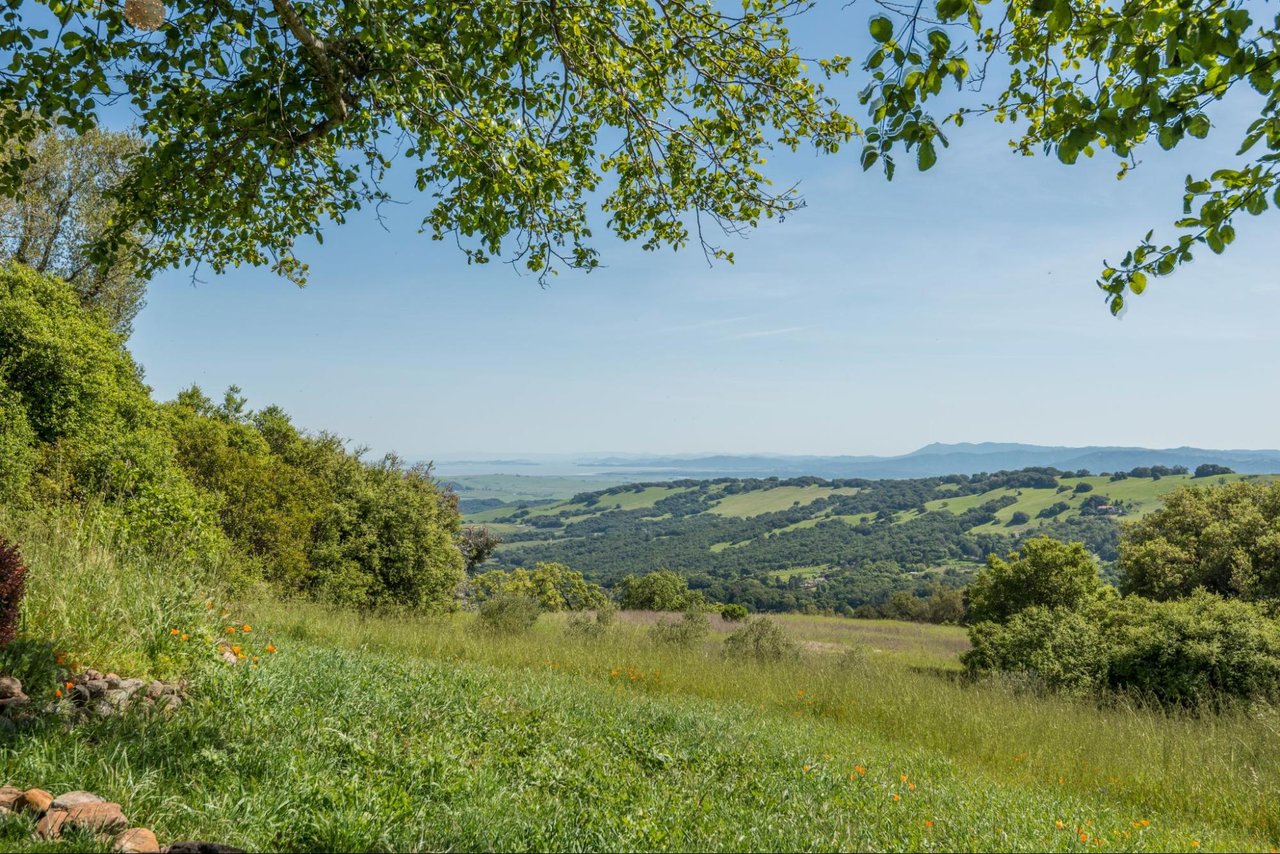
*Header photo courtesy of Caroline Sebastiani