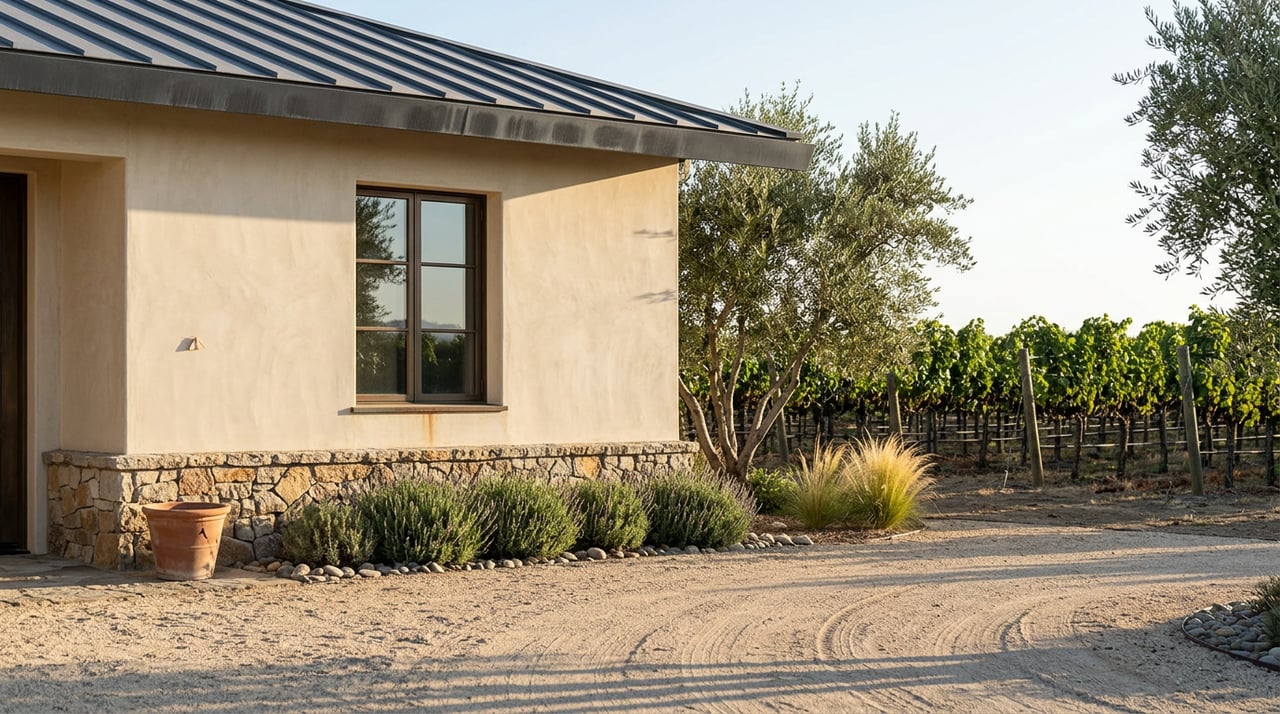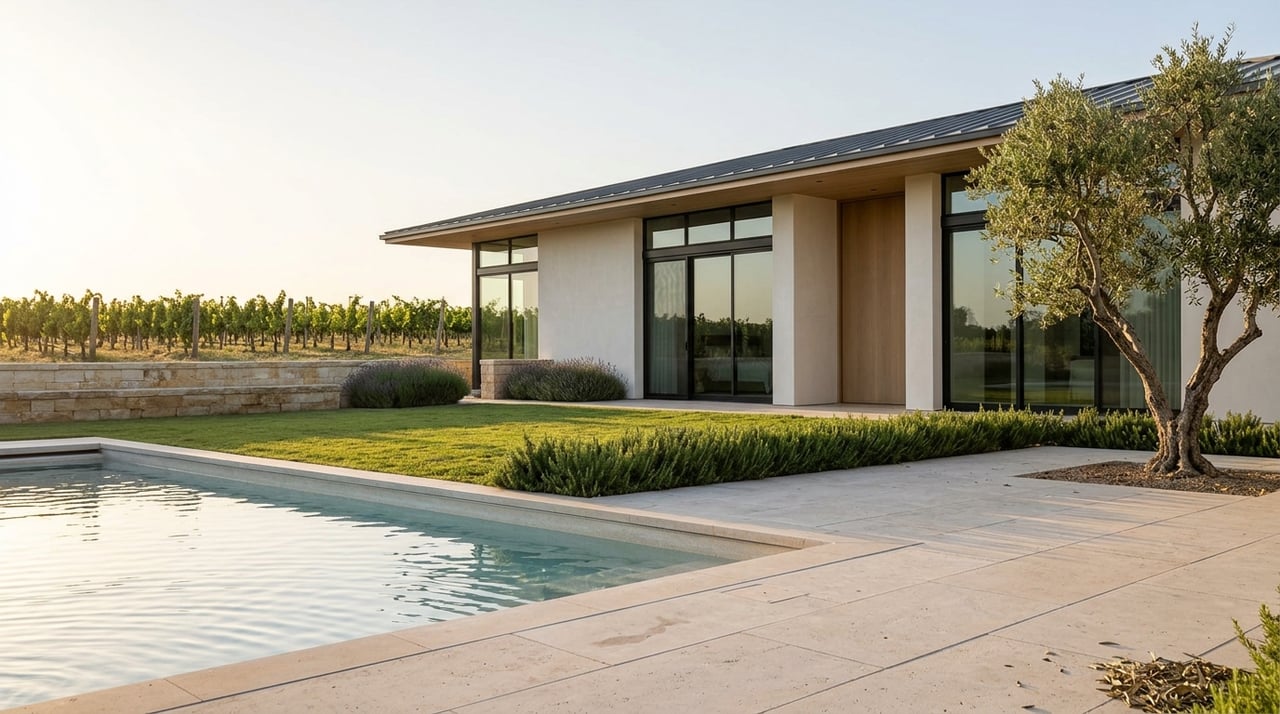
If you are deciding between Napa and Sonoma Valley, you are really choosing between two different ways to live in Wine Country. Both offer beauty, character, and sought-after homes, but the day-to-day feel can be surprisingly different. If you want the right fit for your lifestyle, priorities, and property goals, it helps to look beyond the label and into how each place actually lives. Let’s dive in.
Napa vs Sonoma Valley at a Glance
At a high level, Napa and Sonoma Valley offer different scales and rhythms. Napa city is the largest and most urban of the group, with 76,921 residents across 18.05 square miles. Sonoma city is smaller and more compact, with 10,537 residents across 2.74 square miles.
That difference shows up quickly in daily life. Napa tends to offer a broader in-town experience, while Sonoma city feels more centered around a smaller historic core. Glen Ellen and Kenwood, both in Sonoma Valley, read more like retreat markets than town-centered ones.
From a pricing perspective, the May 2026 Redfin median sale price was $858,986 in Napa and $1,203,780 in Sonoma city. Price alone does not tell the full story, but it does underline that these are distinct markets with different inventory patterns and lifestyle tradeoffs.
Choose Napa for More In-Town Energy
If you want a more urban Wine Country experience, Napa often stands out. Its downtown core has a broader amenity base, with more than 200 restaurants, tasting rooms, boutiques, and similar businesses represented by the Downtown Napa Association.
That wider mix can matter if you want more options close to home. You may find Napa appealing if you picture yourself enjoying a fuller restaurant scene, regular downtown activity, and a more varied cultural calendar. The city also promotes arts activity downtown through its busking program, which adds to the everyday street life.
For many buyers, Napa works well when convenience is a top priority. If you want a home base where in-town living feels active and established, Napa may be the clearest fit.
Napa home styles and setting
Napa’s housing fabric is layered and more urban in feel. The city’s historic resources identify Victorian-era homes and commercial buildings, along with neighborhoods such as Oxbow/Cornwall’s Addition, St. John’s, Brown and Walker, and Napa Abajo/Fuller Park.
Documented architectural styles include Italianate, Stick/Eastlake, Queen Anne, Craftsman, Spanish Eclectic, and Mediterranean Revival. If you are drawn to historic character, established neighborhoods, and a stronger sense of city structure, Napa offers a rich architectural mix.
When Napa makes the most sense
Napa may be the better choice if you value:
- A broader downtown restaurant and boutique scene
- More urban day-to-day convenience
- Established in-town neighborhoods
- A wider mix of historic architectural styles
- A home base that feels more city-oriented than retreat-oriented
Choose Sonoma for a Smaller Town Feel
If Napa feels a bit too urban, Sonoma city offers a different kind of appeal. Life here centers more tightly around the Plaza, which the city says is the largest of its kind in California at 8 acres.
That central gathering place helps shape Sonoma’s identity. Restaurants, boutiques, and tasting rooms cluster around the Plaza, creating a walkable, town-centered feel that many buyers find especially appealing.
Sonoma also has a strong arts presence. The city highlights Sonoma Community Center classes, Sebastiani Theatre Foundation support, Sonoma Art Walk, and public art, which all contribute to a lively but smaller-scale atmosphere.
Sonoma home styles and charm
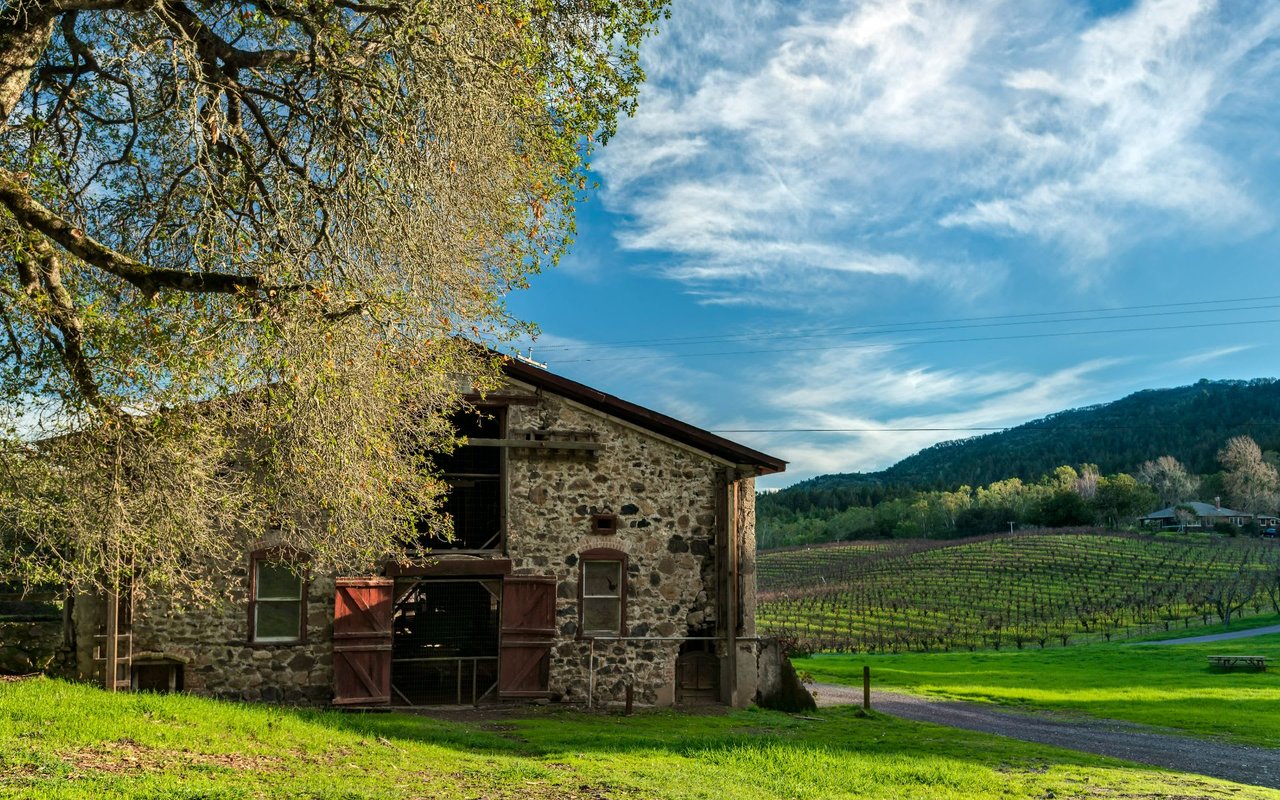
Sonoma’s downtown design guidelines point to a compact town-center palette. Common styles include vernacular cottages, Queen Anne Victorian, Craftsman bungalow, Spanish Colonial or Adobe, Mission Revival, Monterey Colonial, Ranch, and Mid-Century Modern.
For design-conscious buyers, Sonoma can feel more intimate and visually cohesive. If you want a smaller historic town with walkability and a strong sense of place, Sonoma may feel more aligned.
When Sonoma makes the most sense
Sonoma city may be the better choice if you value:
- A Plaza-centered lifestyle
- Walkability in a smaller town setting
- A strong local arts presence
- Historic and design-rich homes near town
- A quieter pace than Napa, without giving up in-town convenience
Choose Glen Ellen for Privacy and Quiet
If your idea of Wine Country living is more secluded and wooded, Glen Ellen deserves a close look. Sonoma County materials describe it as a small village about 6 miles northwest of Sonoma, with much of the community classified as rural residential or agricultural.
That land pattern changes the experience of living there. Glen Ellen tends to feel less like a traditional town and more like a quiet village with privacy, landscape, and space taking center stage.
Local Wine Country guides describe it as a quiet canyon setting with a few culinary gems. If you are looking for a home that feels tucked away rather than plugged into a downtown, Glen Ellen may offer the atmosphere you want.
What to expect in Glen Ellen
County guidance says about 70 percent of the community is rural, with rural residential and agricultural zoning. In rural areas, properties may rely on wells and septic rather than municipal utility systems.
That can be a draw for buyers who want land and separation. It also means that due diligence becomes especially important before you move forward with a purchase.
Choose Kenwood for Scenic Winery Adjacency
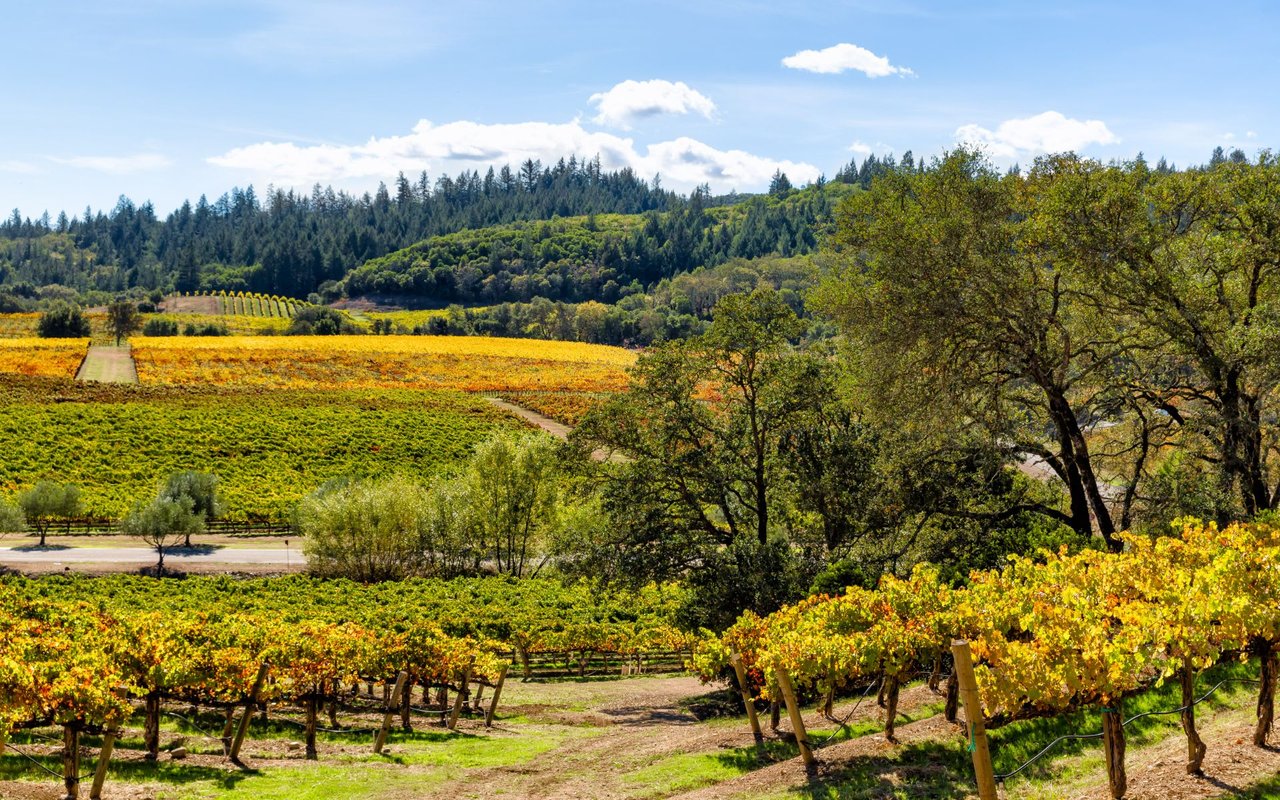
Kenwood offers another Sonoma Valley option, but with a slightly different feel from Glen Ellen. It is often framed as a scenic tasting base with picturesque views and low-stress winery access.
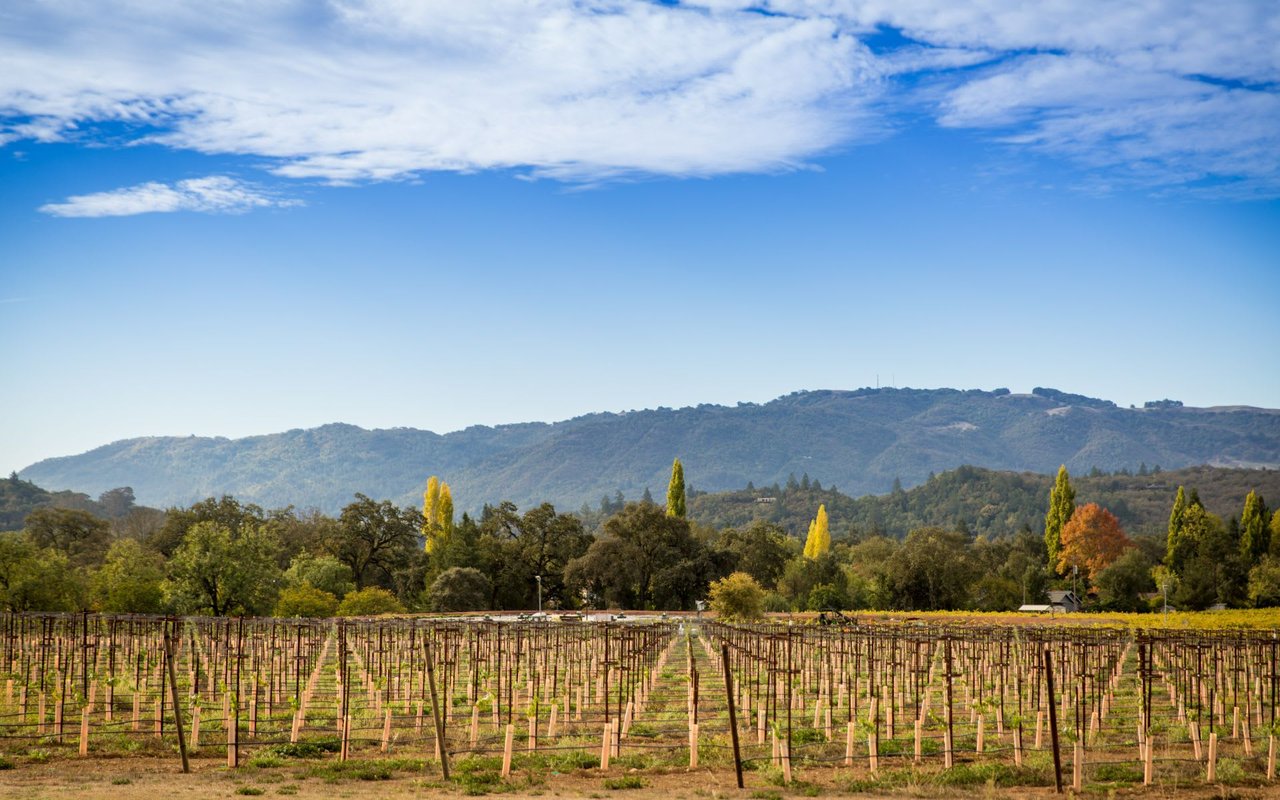
In practical terms, Kenwood can feel less like a conventional town center and more like a wine-country enclave. If your priority is valley scenery, nearby vineyards, and a quieter setting, Kenwood can be a compelling choice.
Kenwood’s Redfin snapshot showed 14 homes for sale, which also hints at a smaller, more limited inventory environment. For buyers who care more about setting than walk-to-town convenience, that can be exactly the point.
When Glen Ellen or Kenwood may fit best
These unincorporated Sonoma Valley communities may be the stronger fit if you want:
- More privacy and larger parcels
- A retreat-like atmosphere
- Rural residential or agricultural surroundings
- Scenery and winery adjacency
- Less emphasis on daily town-center activity
The Real Decision: How Do You Want to Live?
The clearest way to choose is to think about your daily rhythm. Napa city generally fits buyers who want convenience, restaurants, and a fuller cultural scene close at hand.
Sonoma city tends to appeal to buyers who want a smaller, Plaza-centered town with walkability and arts activity. Glen Ellen is often best for those who want quiet, wooded privacy, while Kenwood suits buyers who want valley views and winery adjacency with fewer town-center distractions.
This is where the home search becomes more than price per square foot. In Wine Country, setting, parcel pattern, and pace of life often matter just as much as the house itself.
Home Character and Inventory Patterns
It also helps to understand how inventory tends to differ across these areas. Napa and Sonoma city are better framed as in-town historic-luxury markets, while Glen Ellen and Kenwood are more often privacy-and-land markets where vineyard adjacency may matter more than walkability.
That is not a fixed rule, but it is strongly supported by geography, zoning, and development patterns. If you are comparing two properties that seem similar on paper, their location context may create very different ownership experiences.
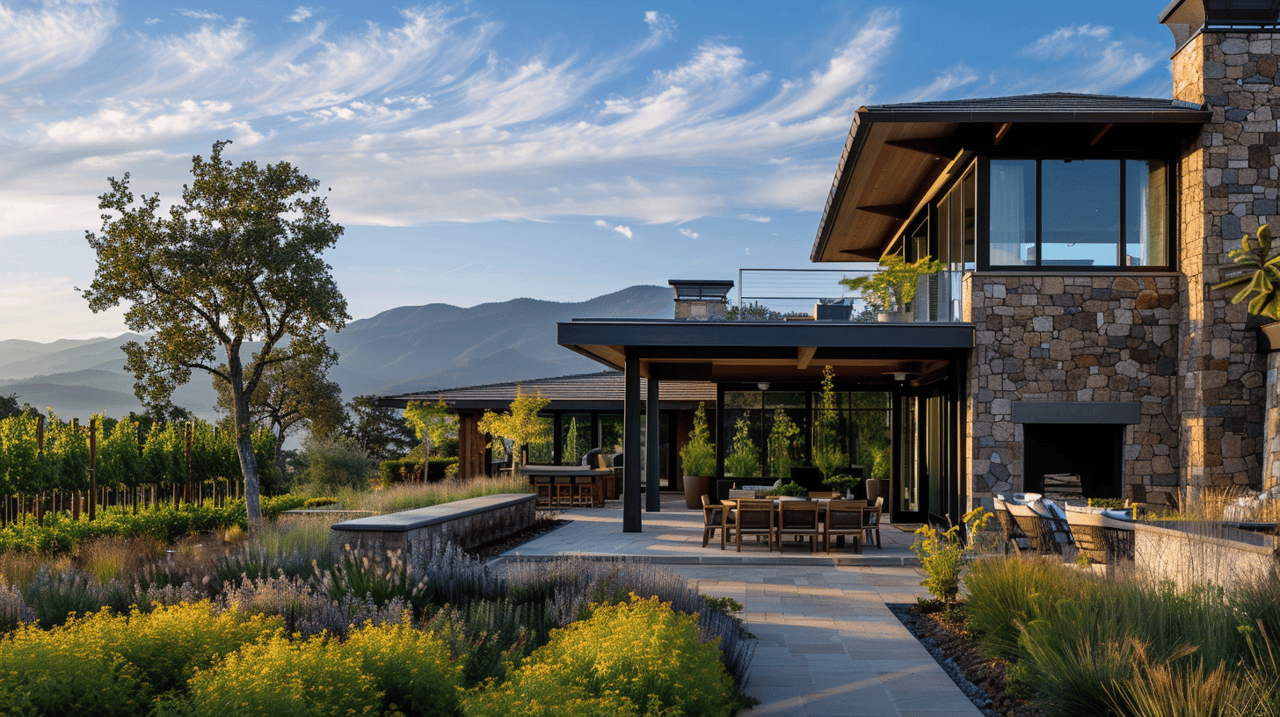
For example, an architecturally notable in-town home in Sonoma may deliver a very different lifestyle than a gated property in Glen Ellen or a scenic retreat in Kenwood. The right answer usually depends on whether you want access, acreage, or a balance of both.
Due Diligence Matters in Every Market
Before you write an offer in Napa or Sonoma Valley, it is worth taking a careful look at property-specific details. Buyer due diligence should include zoning, septic or well service where applicable, easements, flood exposure, wildfire exposure, and any local design review or historic overlay requirements.
This is especially important in historic districts in Napa and Sonoma city, where renovation or alteration may be more code-sensitive. It is also important in unincorporated areas like Glen Ellen and Kenwood, where county-regulated parcels may come with added land-use considerations.
The research also notes that Redfin’s Glen Ellen snapshot flags severe flood risk and wildfire exposure. That is a useful reminder that broad market labels do not replace parcel-level review.
A Thoughtful Approach Wins in Wine Country
Choosing between Napa and Sonoma Valley is not just about which name carries more recognition. It is about finding the setting that best supports the way you want to live, entertain, retreat, and invest in your next chapter.
If you are drawn to in-town energy, Napa may stand out. If you prefer a smaller historic town, Sonoma may feel more natural. If privacy, land, and scenery lead the list, Glen Ellen and Kenwood deserve serious attention.
With distinctive homes and very different micro-markets, it helps to work with an advisor who understands the nuance behind the address. If you are considering a move in Wine Country, Caroline Sebastiani can help you evaluate the lifestyle, property, and market details that matter most.
FAQs
Should you choose Napa or Sonoma for walkability?
- If walkability is a top priority, Napa downtown and Sonoma Plaza are the strongest options, with Sonoma offering a smaller town-center feel and Napa offering a broader urban amenity base.
What is the difference between Sonoma city and Sonoma Valley?
- Sonoma city is the incorporated town centered around the Plaza, while Sonoma Valley also includes unincorporated communities such as Glen Ellen and Kenwood that tend to feel more rural and retreat-oriented.
Is Glen Ellen more rural than Sonoma city?
- Yes. Sonoma County materials describe much of Glen Ellen as rural residential or agricultural, and about 70 percent of the community is identified as rural.
Is Kenwood a good fit if you want a quiet Wine Country setting?
- Kenwood may be a strong fit if you want valley scenery, winery adjacency, and a quieter environment with less emphasis on a traditional town center.
What should you verify before buying in Napa or Sonoma Valley?
- Before making an offer, you should verify zoning, septic or well service, easements, flood and wildfire exposure, and any local design-review or historic-overlay requirements tied to the property.
Are Napa and Sonoma homes architecturally different?
- Often, yes. Napa has a layered urban historic mix that includes Victorian-era and other classic styles, while Sonoma’s town-center palette includes cottages, bungalows, Adobe and Mission-influenced homes, Ranch, and Mid-Century Modern styles.