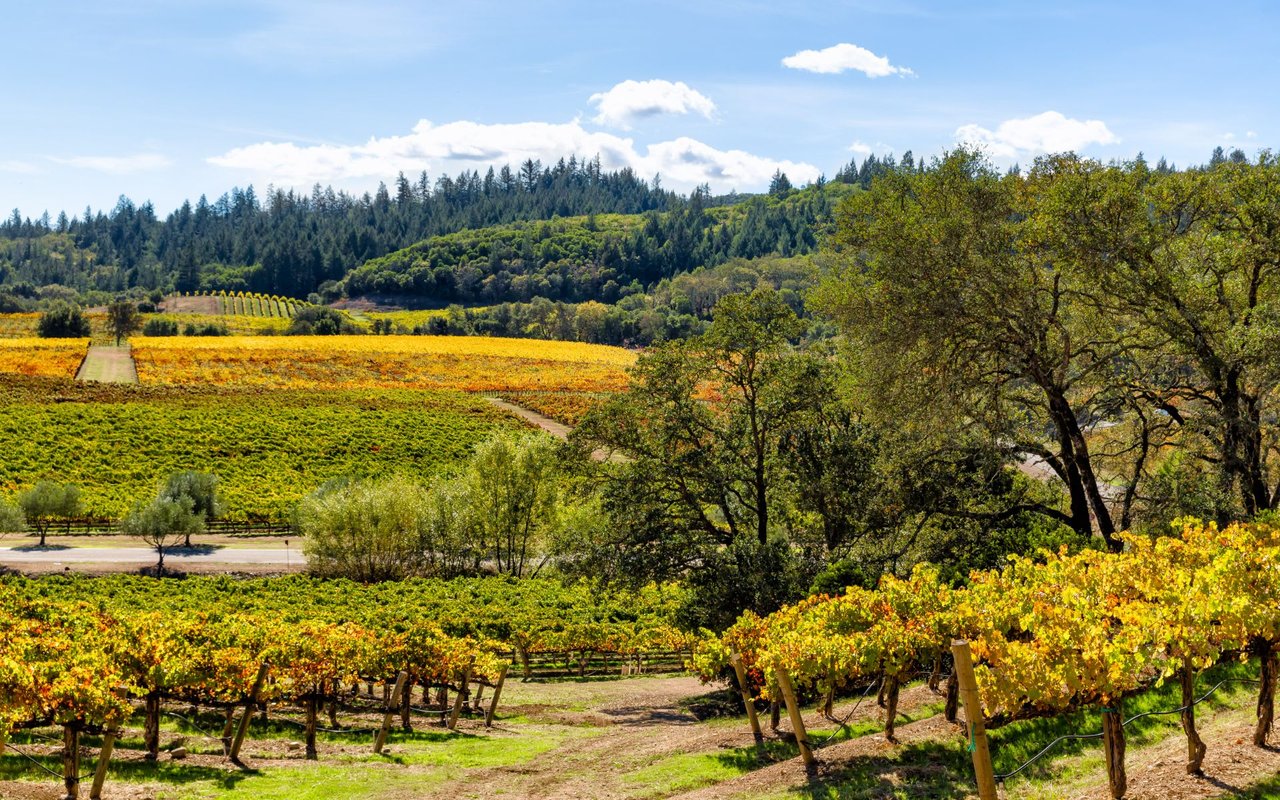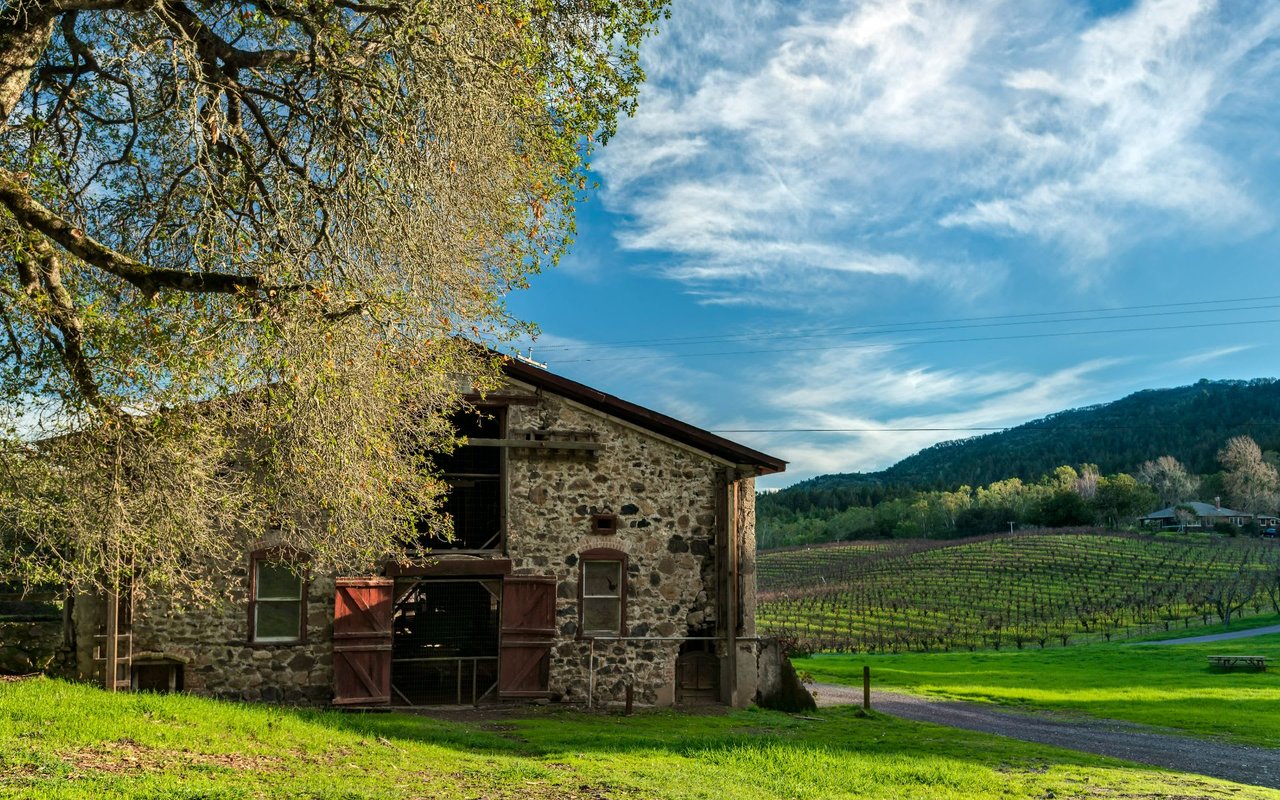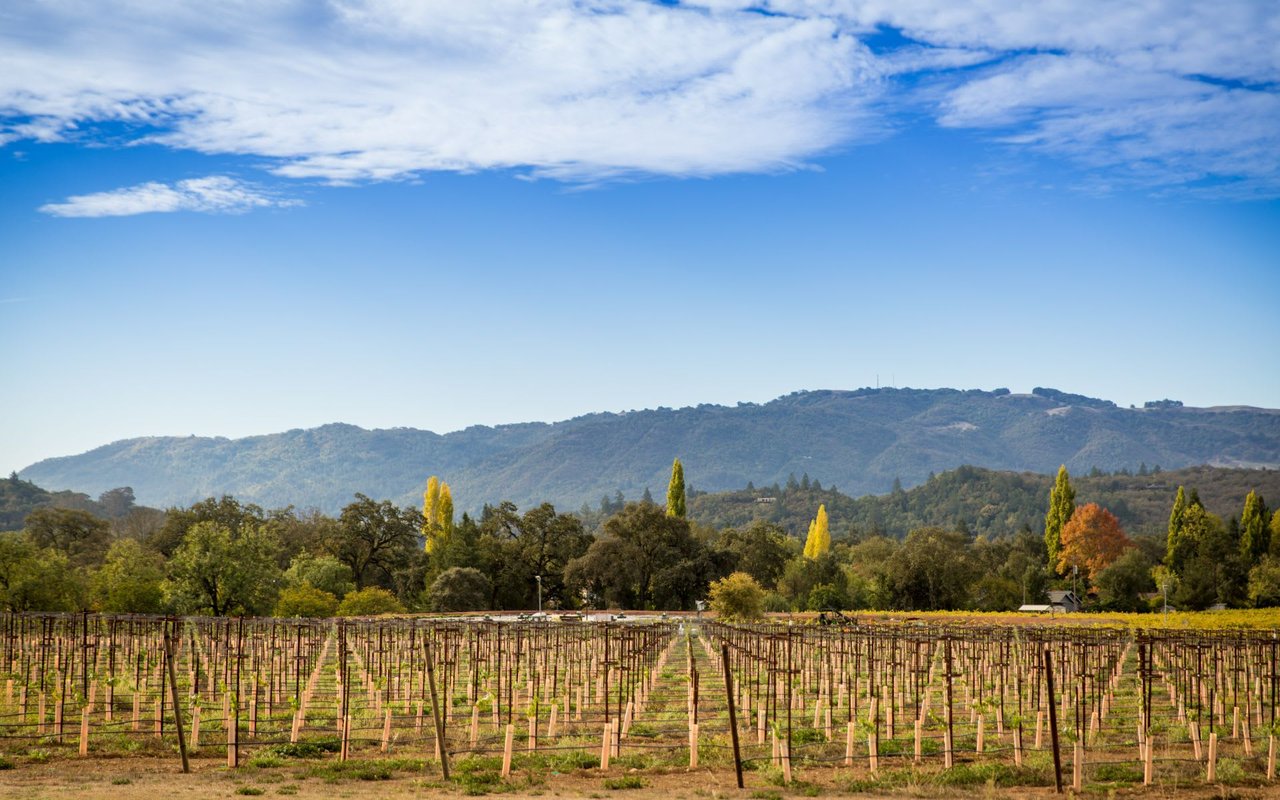
A Sonoma vineyard estate under a Williamson Act contract does not trade like a comparable unencumbered luxury home. The contract lowers the tax bill, which every seller already knows. What fewer sellers price into their strategy is that the same contract narrows the pool of buyers who can actually close on the property, and reshapes what a serious buyer's attorney will ask for the week after acceptance.
The thesis of this post is simple. On an encumbered Sonoma parcel, the tax benefit is the easy part of the story. The friction lives in the restrictions, the 2025/2026 supplemental assessment cycle, and Sonoma's 2023 well rules. Understand those three, and you can price with precision. Miss them, and you learn about them from the buyer's counteroffer.
The tax benefit is the easy part
Under a Williamson Act contract, Sonoma County assesses agricultural land and the growing improvements on a restricted, income-based method, while residences, other structures, land supporting residential use, and growing fixtures continue to be assessed under Proposition 13. The property tax bill is a blended number, not a single valuation. That blend is what makes the estate cheaper to hold.
It is also what makes the estate legally different from the property next door. The contract runs with the land. When title transfers, the buyer inherits both the tax treatment and the use restrictions. Nothing about closing resets the term.
The minimum term is ten years, and the contract auto-renews every year unless the owner files a formal notice of nonrenewal, which then begins a ten-year phase-out. Cancellation is a separate, discretionary path with fees and no guarantee of approval. Sellers who plan to "just cancel before closing" typically discover the timeline does not work.
What a Type I contract actually restricts
Sonoma County recognizes two contract types, and the distinction shows up in every serious offer:
| Contract | Minimum parcel | Planting requirement | Typical Sonoma use |
|---|---|---|---|
| Type I (Prime) | 10 acres | At least 50% in a permanent crop meeting minimum income (grapes, apples, pears, olives) | Most Sonoma Valley vineyard estates |
| Type II (Non-prime / open space) | 40 acres | Grazing, forestry, fallow, or mixed ag | Larger ranches and hillside holdings |
Type I is where most Sonoma Valley vineyard estates sit. Permitted uses are active agriculture and directly related accessory activities. Small on-site winemaking, a tasting room, or agritourism are conditional at best and require a compatible-use determination from the county in addition to any zoning-based permit. A use allowed by zoning is not automatically allowed under the contract, which is the sentence buyers most often miss.
Two other restrictions matter at resale. Subdivision for residential development is generally off the table without a formal exit. And on any parcel that has fallen below the acreage minimum, known as a substandard parcel, the county will only permit agricultural structures or repairs with no expansion. Building anything else exposes the owner to a state penalty equal to 25% of the unrestricted value of the land, per Permit Sonoma's own FAQ. That is the exposure a well-advised buyer wants indemnified before signing.
The 2025/2026 supplemental that can catch sellers mid-escrow
There is a new wrinkle worth pricing in this year. Starting in the 2025/2026 tax year, the Sonoma County Assessor began issuing supplemental assessments for changes in fixed equipment that supports vineyards and orchards, following State Board of Equalization guidance. Drip systems, trellis replacements, and stakes are the visible examples. Grafting a vine is treated as a new planting under Proposition 13, which resets the three-year new-planting exemption. Orchards get four.
Overlay that on the Assessor's public advisory that current processing times have stretched from a historical 6 to 12 months out to 12 to 18 months, and the transaction implication becomes concrete. A supplemental bill tied to a replant your client made two years ago may not appear until well after the new buyer takes title. If your listing recently rebuilt trellis or converted irrigation, the diligence packet should include the replant records and a candid note about pending assessments. Buyers who discover them later renegotiate. Buyers who see them disclosed up front price them in and move on.
The well question buyers ask first now
Effective May 18, 2023, the Sonoma County Board of Supervisors updated the county's Well Ordinance. The change that matters at the estate level is the Public Trust Review Area. Inside that area, a new well that would push total groundwater use on a site above two acre-feet per year can only be issued if county staff make a written finding that the permit will not adversely affect streamflow in nearby rivers and streams. Water conservation plans and irrigation limits apply to vineyard and orchard use.
For a Sonoma buyer running the math on a working vineyard, two acre-feet is not a large budget. It puts a ceiling on future planting decisions and, in some cases, on frost protection strategies that rely on overhead water. Any new agricultural or commercial well going forward is metered with monthly reporting to the county.
Sonoma County has more properties on private wells than any other county in California. That is not a marketing statistic. It means the well diligence conversation is real on almost every rural Sonoma listing, and the ordinance update has moved it earlier in the process.
The diligence packet that removes friction
The listings that close cleanly are the ones where the seller assembles the encumbered-parcel packet before the property goes to market, not during the buyer's inspection window. Based on how the county's own Williamson Act guidance frames enrollment status, a complete packet contains:
- The recorded contract, with its legal description and start date.
- Written county confirmation of current enrollment status, contract type, and any pending notice of nonrenewal or cancellation.
- Recent property tax bills and the Assessor's worksheet showing the use-value methodology and the Prop 13 portion.
- A county statement of permitted and conditionally permitted compatible uses on the parcel, in writing.
- Permit history for the parcel, including any past notices of violation or enforcement actions.
- Well logs, recent pump tests, historic groundwater levels, water quality reports, and any Groundwater Sustainability Agency registration.
- Replant records, grafting dates, and irrigation upgrades from the past several years, with the current planted acreage by varietal.
Present this at listing. It signals a seller who understands what they are selling and shortens the diligence period, which matters when the county Assessor is running 12 to 18 months behind on the paperwork that a title officer would otherwise wait for.
Pricing an encumbered estate in a 99% list-to-sale market
Sonoma's market in 2026 rewards accuracy over ambition. Redfin reported a median sale price of $1.2 million for the three months ending May 2026, up 4.7% year over year, with median price per square foot at $851 and homes sitting an average of 34 days on market. County-wide, the list-to-sale price ratio compressed from above 100% in early 2025 to roughly 99% by mid-2025 and held there through year-end. Active listings expanded from around 700 in mid-2024 to more than 1,000 by spring 2025.
Two things follow from that math on a Williamson Act estate.
First, the days-on-market number for turnkey homes near Sonoma Plaza does not describe your listing. A vineyard estate with a Type I contract, a substandard-parcel history, or a Public Trust Review Area well is a specialty asset. The buyer who understands the encumbrance is a smaller pool than the median dashboard implies, and marketing has to reach them directly rather than rely on portal exposure.
The tax savings from a Williamson Act contract are real. So is the discount a buyer will demand for restrictions they discover in escrow rather than in the packet.
Second, in a market where the average list-to-sale ratio is 99%, the seller who prices to reflect the restrictions up front closes near ask. The seller who prices to the unencumbered comparables and lets a buyer negotiate the encumbrance downward tends to trade below the range they could have set from day one. Precision is not conservatism. It is how a specialty asset holds its number.
A short FAQ
Can a Williamson Act contract be cancelled before closing? Rarely on a useful timeline. Nonrenewal begins a ten-year phase-out. Cancellation is discretionary, requires county approval and fees, and is not the standard path for a sale. Assume the buyer inherits the contract.
Does the tax benefit transfer to the buyer at the same rate? The restricted assessment methodology continues, but the Assessor may issue supplemental assessments tied to changes in fixed equipment and to any reappraisable events on the residential and improvement portions. The blended bill after closing is often close to the seller's, not identical.
Do the 2023 Well Ordinance rules apply to an existing well? The stricter review applies to new wells, particularly those that would push a site above two acre-feet per year inside the Public Trust Review Area. Existing wells continue to operate, though any expansion, replacement, or agricultural metering obligation should be verified with Permit Sonoma before it becomes a term in the purchase agreement.
Is a tasting room permitted on a Type I parcel? Only with both the appropriate use permit and a compatible-use determination confirming the activity does not conflict with the Williamson Act contract. Zoning approval alone is not sufficient.
If you are considering bringing a Sonoma vineyard, ranch, or estate property to market, the work of pricing it well starts long before the sign goes up. Caroline Sebastiani advises sellers of encumbered and legacy Wine Country properties with the discretion and preparation these listings require. Reach out for a private conversation and a valuation grounded in the specifics of your parcel.