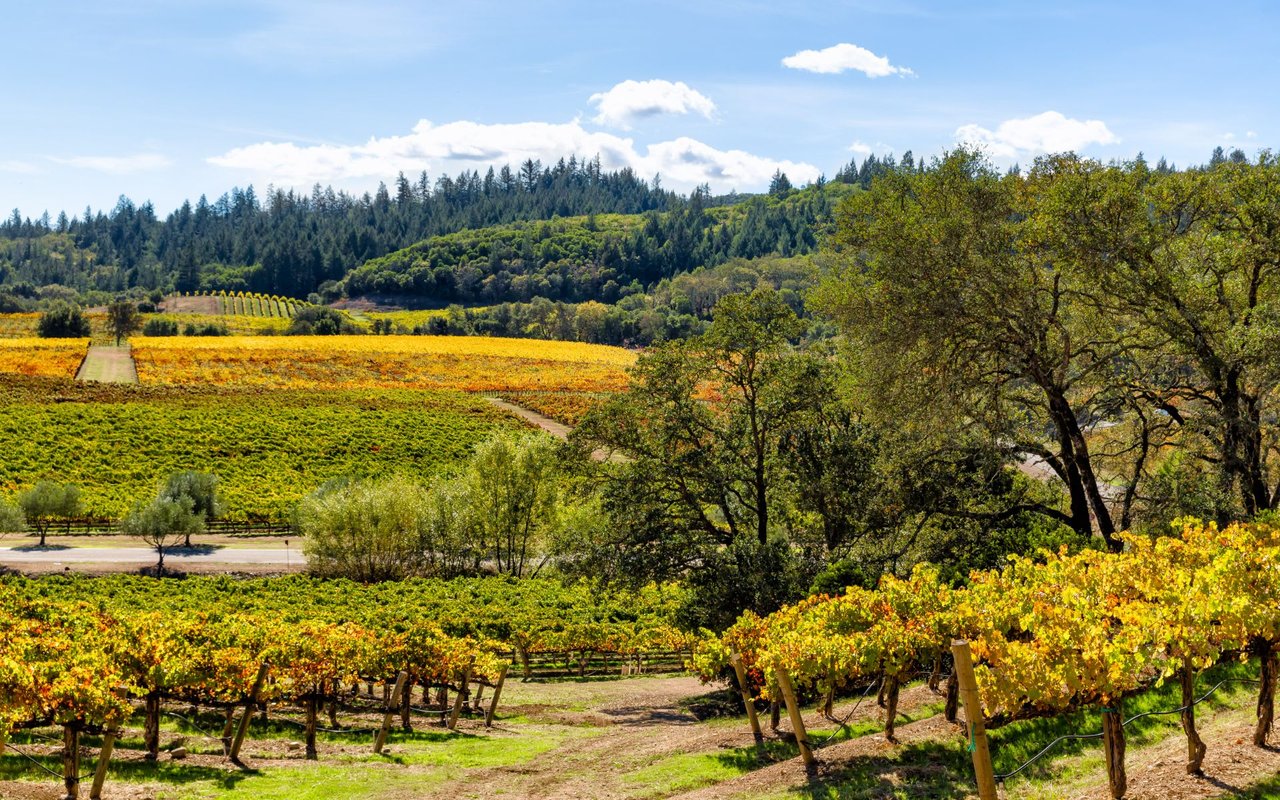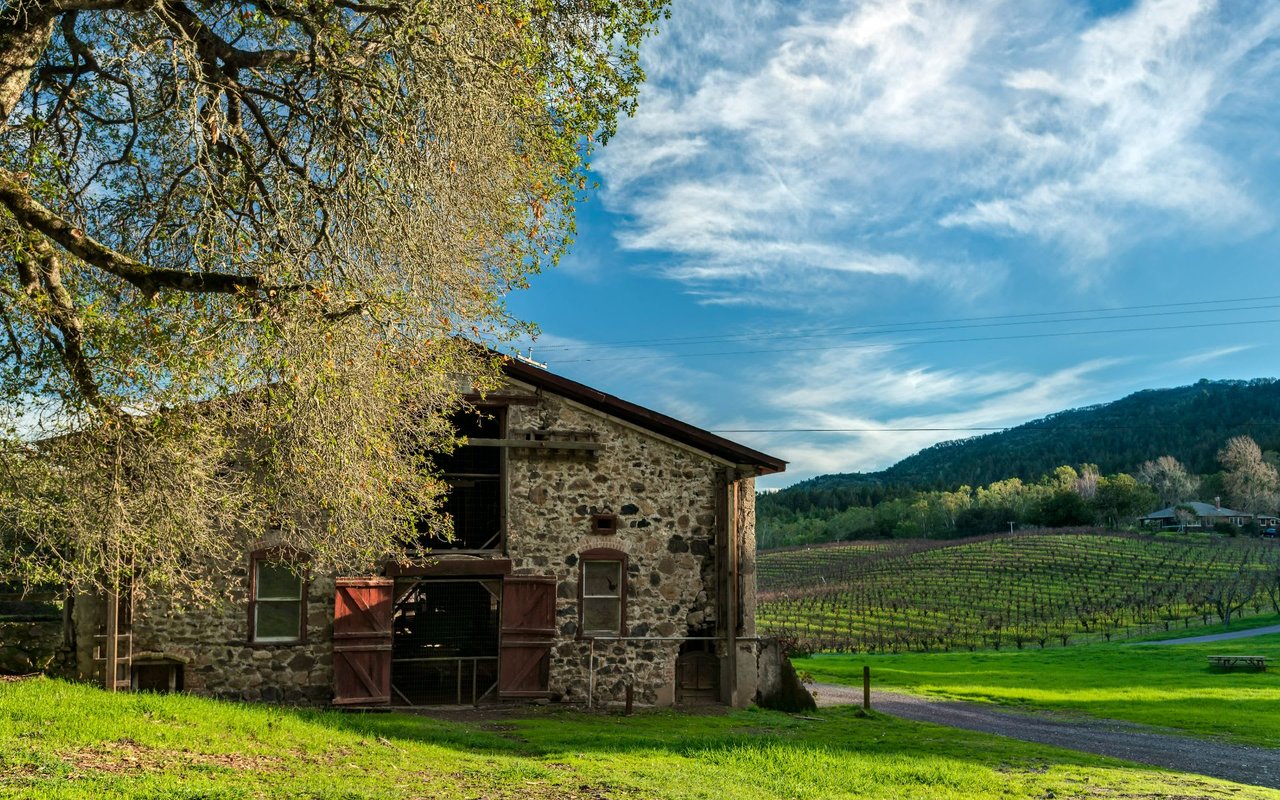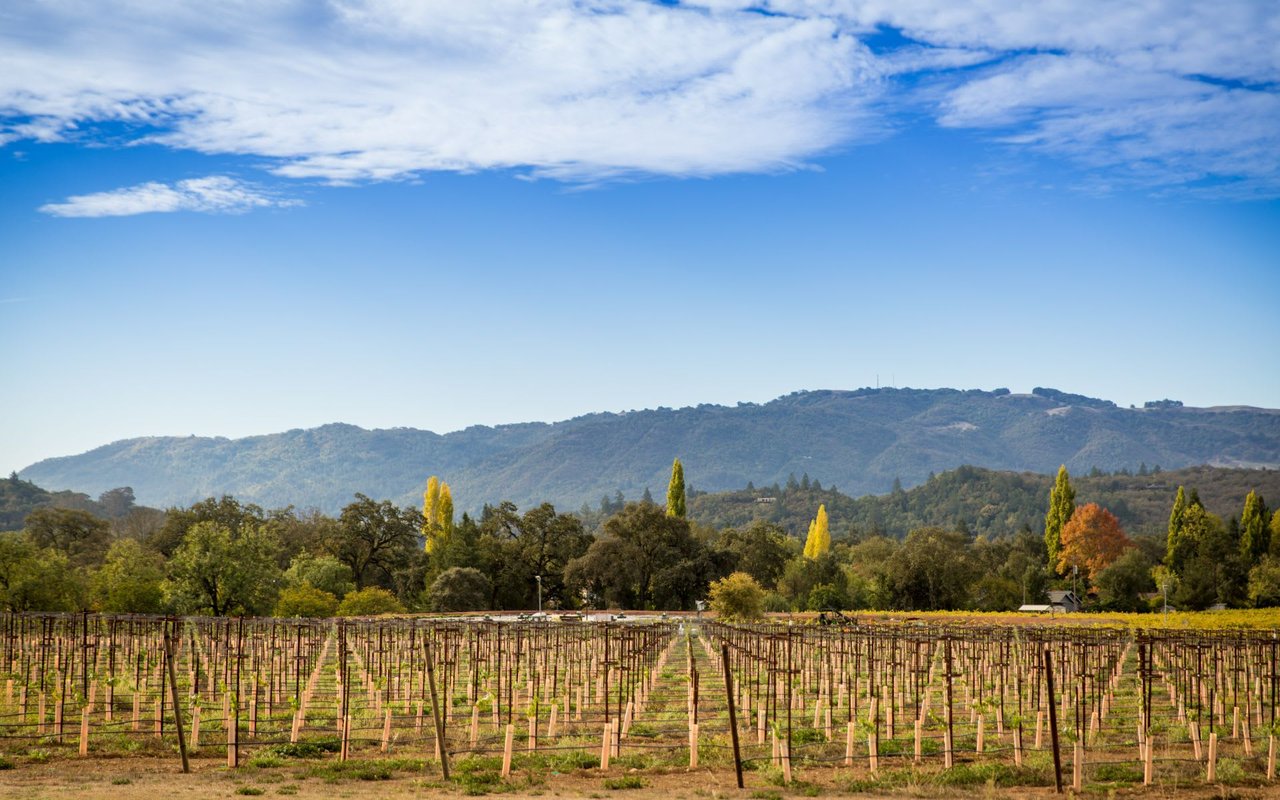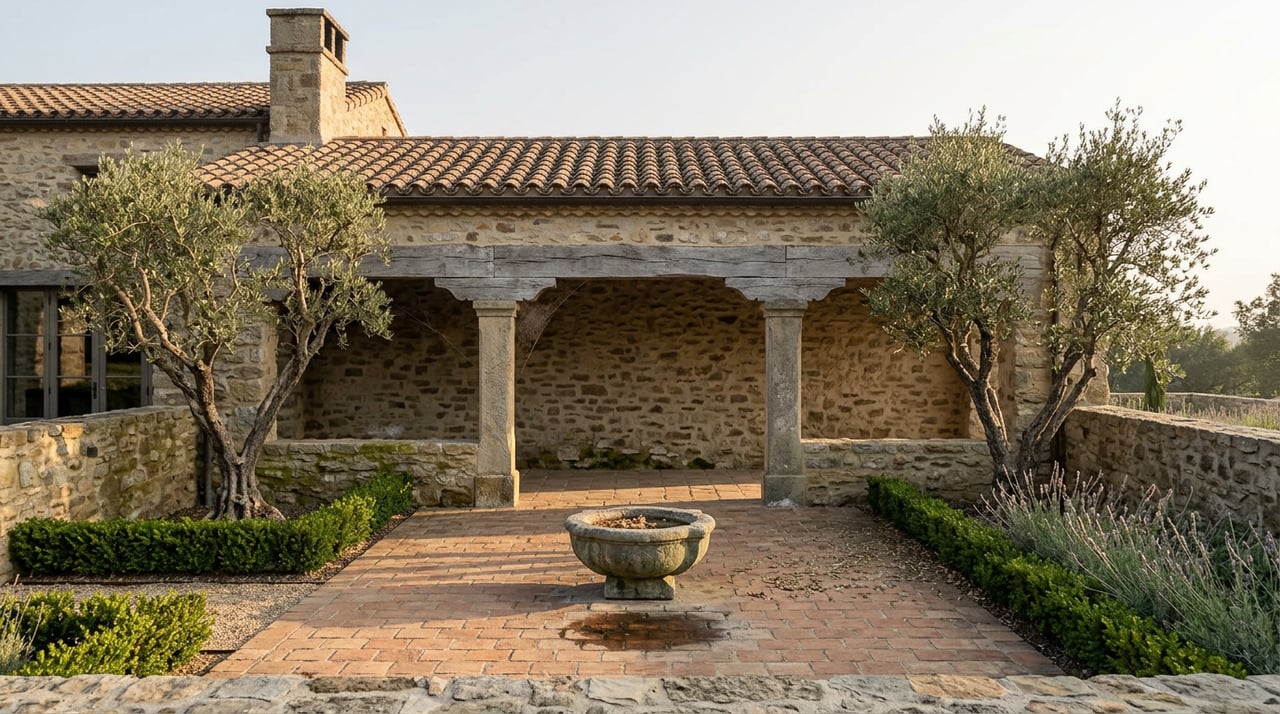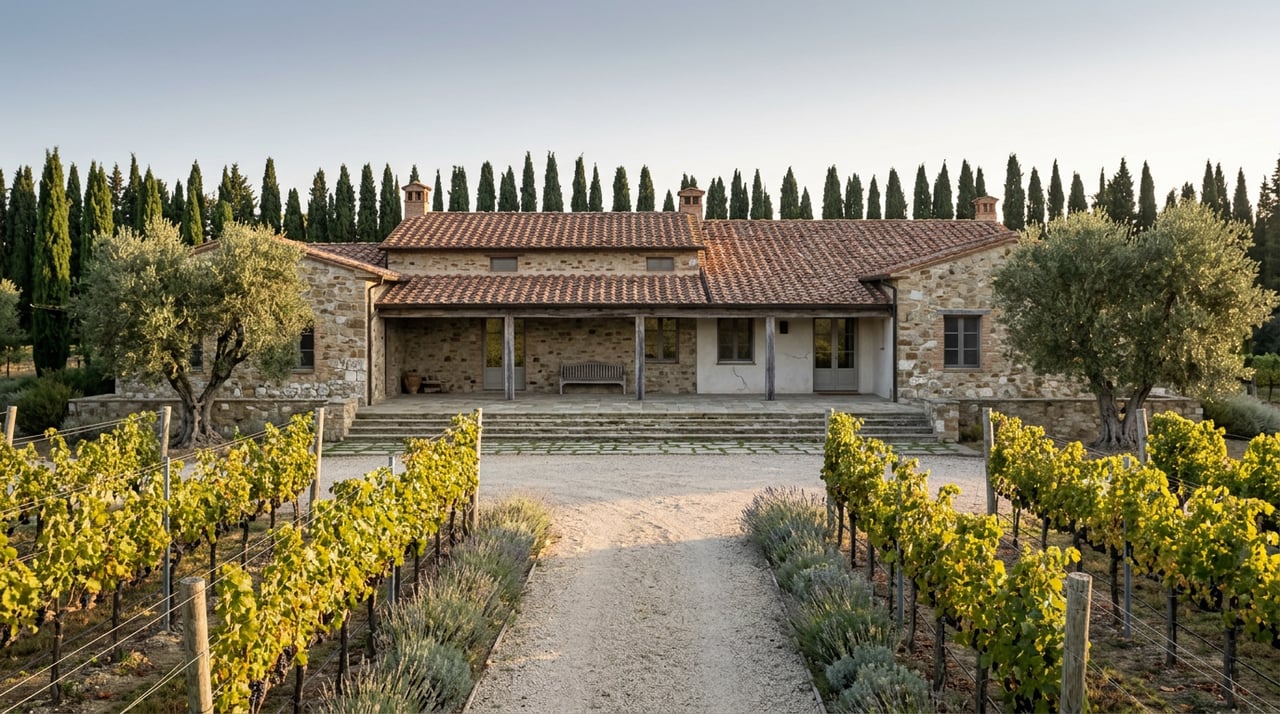
Pickers were already moving through Sauvignon Blanc blocks along Highway 12 in the third week of July, weeks before most tasting rooms expected them, while summer visitors were still parking outside Chateau St. Jean and Landmark Vineyards' Kenwood Estate at Adobe Canyon Road for afternoon flights. That timing is the real story of the 2026 vintage. Not the heat, not the crowds, the calendar itself.
Karissa Kruse, CEO of Sonoma County Winegrowers, said in a July 24, 2026 release that this year marked the organization's earliest harvest start on record, and in separate remarks called it the earliest in 30 to 40 years. On its face that sounds like a banner season. It is closer to the opposite. Kruse also said growers should expect yields 35 to 50 percent below normal, driven by a warm March that pushed early bloom followed by cool, wet weather during bloom itself that caused shatter and thinned out the crop before it ever set.
"This is the earliest harvest I've experienced during my time with Sonoma County Winegrowers."
For anyone touring a Kenwood vineyard estate this fall, the gap between how this season is being described and what it is actually producing matters more than it might seem. Listings for working vineyard properties typically lean on a trailing yield figure, tons per acre multiplied by price per ton, smoothed across recent vintages into one clean number. This year is a live demonstration of how much that smoothing can hide.
The tons-per-acre line was never as stable as it looks
A vineyard's income projection depends on treating tonnage as a knowable quantity, something that varies a little year to year but averages out. Board chair Tyler Klick, of Redwood Empire Vineyard Management, described 2026 as a season of healthy vine growth paired with a light crop, exactly the kind of split that a five-year average can't capture cleanly. Taylor Serres of Serres Ranch pointed to the same pattern, wind and rain during bloom reducing crop loads even as overall vineyard health stayed strong through the summer.
The lesson isn't that 2026 is a bad vintage. Growers widely expect concentrated, high-quality fruit from smaller berries. The lesson is that a single averaged tonnage figure on a vineyard estate's marketing materials was built on a run of years that likely didn't include a shock like this one, and there's no way to know that from the average alone.
Price per ton doesn't move together, and that changes what the number is worth
Tonnage isn't the only variable moving independently this season. Price per ton is diverging sharply by varietal and by county, which matters if you're evaluating an estate planted to a specific grape rather than a diversified block.
| Varietal / Region | 2025 baseline | 2026 signal |
|---|---|---|
| Sauvignon Blanc, Napa | $3,125 per ton district average | Ran nearly $1,000 per ton above that average this season |
| Sauvignon Blanc, Sonoma | $1,871 per ton district average | Cleared close to flat at that level once Napa demand spilled over |
| Pinot Noir, Russian River | Normally 3 to 5 tons per acre | Fell to 1 to 1.5 tons per acre this year |
Christian Klier, a North Coast grape broker at Turrentine Brokerage, described this pattern in reporting published September 7, 2026: strong consumer demand for Sauvignon Blanc pushed Napa buyers to compete hard for fruit, and once that demand exceeded local supply, buyers moved into Sonoma County and cleared most of what remained near last year's price. Pinot Noir told a different story entirely, with yields collapsing well below normal even where quality held up.
A Kenwood estate rarely operates at the scale of these county-wide averages, but the mechanism scales down just fine. Fruit sold under a locked grape purchase contract written before this season carries whatever price and terms were negotiated years earlier. Fruit sold on the open market this year is fetching numbers that depend on which few weeks it came off the vine and which grape it happens to be. A blended historical average folds both of those realities into one tidy figure, which is exactly why it's worth asking what's underneath it before treating it as a forecast.
The compliance layer that doesn't shrink with the acreage
There's a cost side to this that rarely makes it into a listing packet. Case studies from Cal Poly San Luis Obispo, supported by the Napa County Farm Bureau, put annual regulatory compliance costs at $1,744.87 per acre for a 1,000-acre vineyard operation and $1,131.10 per acre for a 200-acre grower, representing 8.1 to 12.5 percent of total production costs. A separate case study of a winery producing 8,500 cases found almost $204,000 in annual compliance costs, working out to $23.65 per case.
Most vineyard estates that come up for sale around Kenwood are farmed at a fraction of even the smaller of those two studied operations, often a few dozen acres attached to a residence rather than a standalone commercial ranch. The paperwork, safety training, water reporting, and labor law compliance behind those per-acre figures doesn't scale down in proportion to the vines. If cost per acre already runs higher on a 200-acre operation than a 1,000-acre one, a much smaller Kenwood parcel is likely absorbing an even larger share of that same fixed layer, spread across far fewer tons.
Labor adds another layer of instability this year specifically. The same September reporting noted a court ruling reopening questions about H-2A wage rates just as growers were already managing a light, early crop. One North Coast grower quoted in that coverage, identified only as Ilsley, said his company starts domestic workers at $21.50 an hour, while H-2A workers fall under a separate wage structure that also requires the employer to cover housing and transportation. Whichever mix a vineyard estate relies on, that mix is part of what determines whether the income line holds up in a year like this one.
What this changes before you tour a vineyard estate
None of this means a Kenwood vineyard estate is a poor investment. It means the income column deserves the same scrutiny a buyer would give any agricultural asset tied to weather. Before treating a vineyard's trailing average as a number you can plan around, it's worth asking for a few things directly:
- Tonnage by individual vintage year, not a single blended average, so you can see how far a year like 2026 strayed from the historical range.
- Whether the fruit is sold under a locked grape purchase contract or exposed to the open market each season, and if locked, at what price and through what year the contract runs.
- What share of vineyard labor is H-2A versus domestic, since that mix drives cost exposure differently as wage rules shift.
- Who currently handles insurance, permitting, and compliance paperwork, whether that's the owner directly or a vineyard management company, and what that arrangement costs annually.
- Whether the estate has weathered a light year before, and how the owner priced and sold fruit that season.
A vineyard estate can still be exactly the property a buyer is looking for. The point of asking these questions isn't to talk anyone out of it. It's to walk in understanding that the number on the page is a range with real weather and market risk built into it, not a fixed return.
A short FAQ
Does a light harvest year lower the value of the land itself? Not directly. Vineyard land is typically valued on soil, sun exposure, water access, and comparable estate sales rather than a single vintage's tonnage. A light year affects what income the vines produce that season, which matters most if a buyer is counting on that income to help offset carrying costs.
Is 2026 a one-time event or something to expect again? Growers and brokers tracking the season describe it as an unusually early, light year tied to a warm March followed by a cool, wet bloom period, not a permanent shift in how Sonoma Valley grows grapes. It's still a real-time example of the kind of swing that a trailing average is designed to smooth over, and sometimes obscure.
Should this change how I read a vineyard estate listing? It's a reason to ask for vintage-by-vintage numbers instead of accepting one blended average, and to understand whether the fruit is under contract or exposed to the open market each year before you treat the income figure as settled.
Caroline Sebastiani has represented Sonoma Valley's vineyard estates and legacy ranches for two decades, from the wineries lining Highway 12 to the private properties behind them. If you're weighing a purchase in Kenwood, or wondering what this season means for a vineyard property you already hold, Caroline Sebastiani can walk through the specific numbers behind a listing rather than the average. Reach out to start that conversation, or request a free home valuation if you're considering the other side of the transaction.