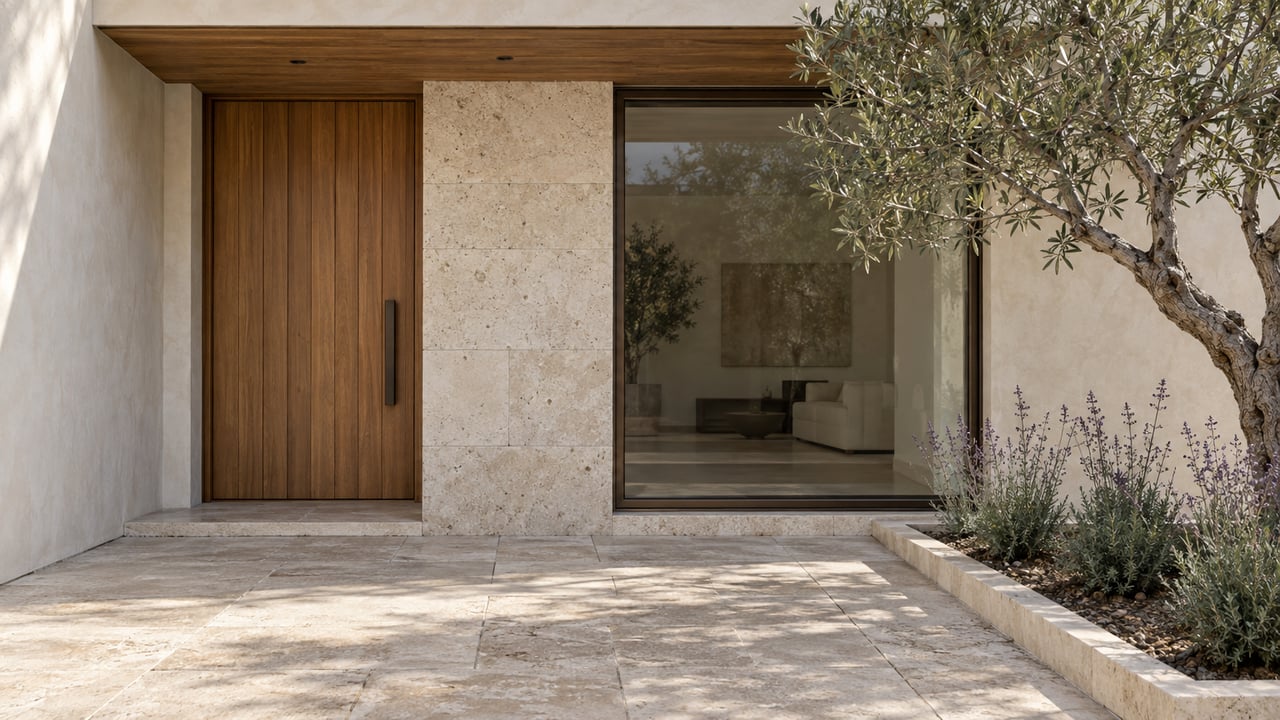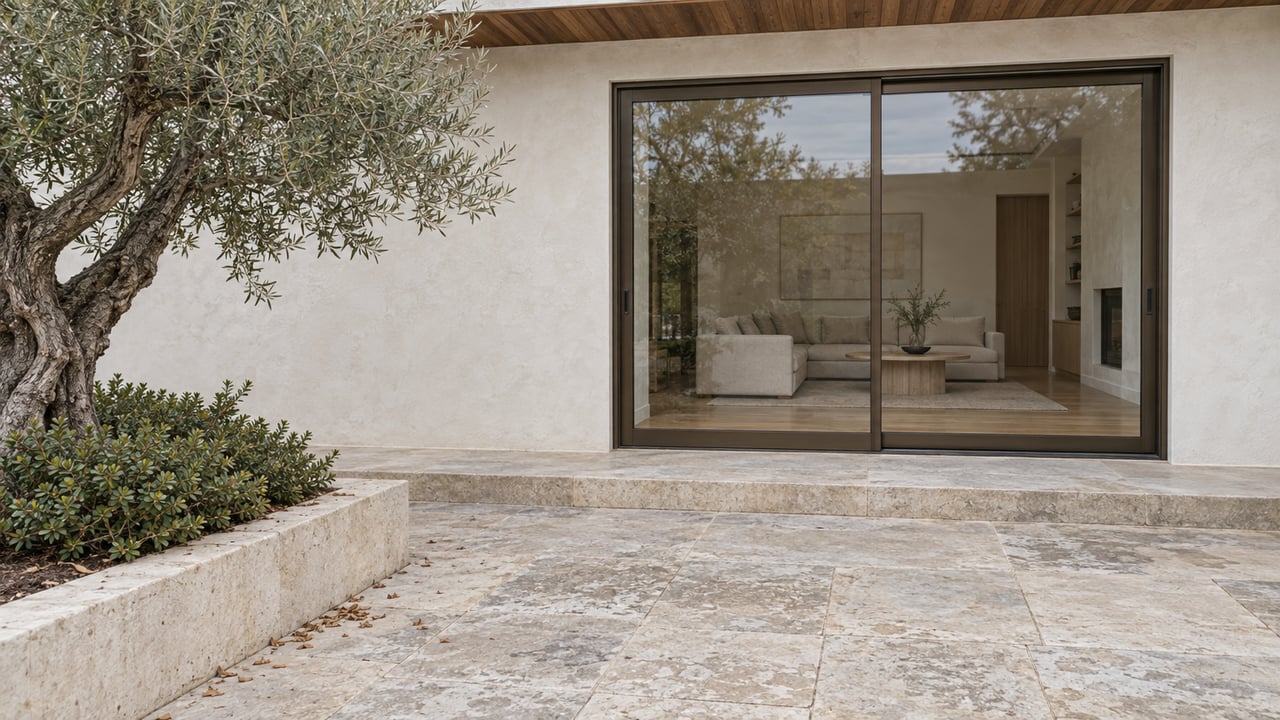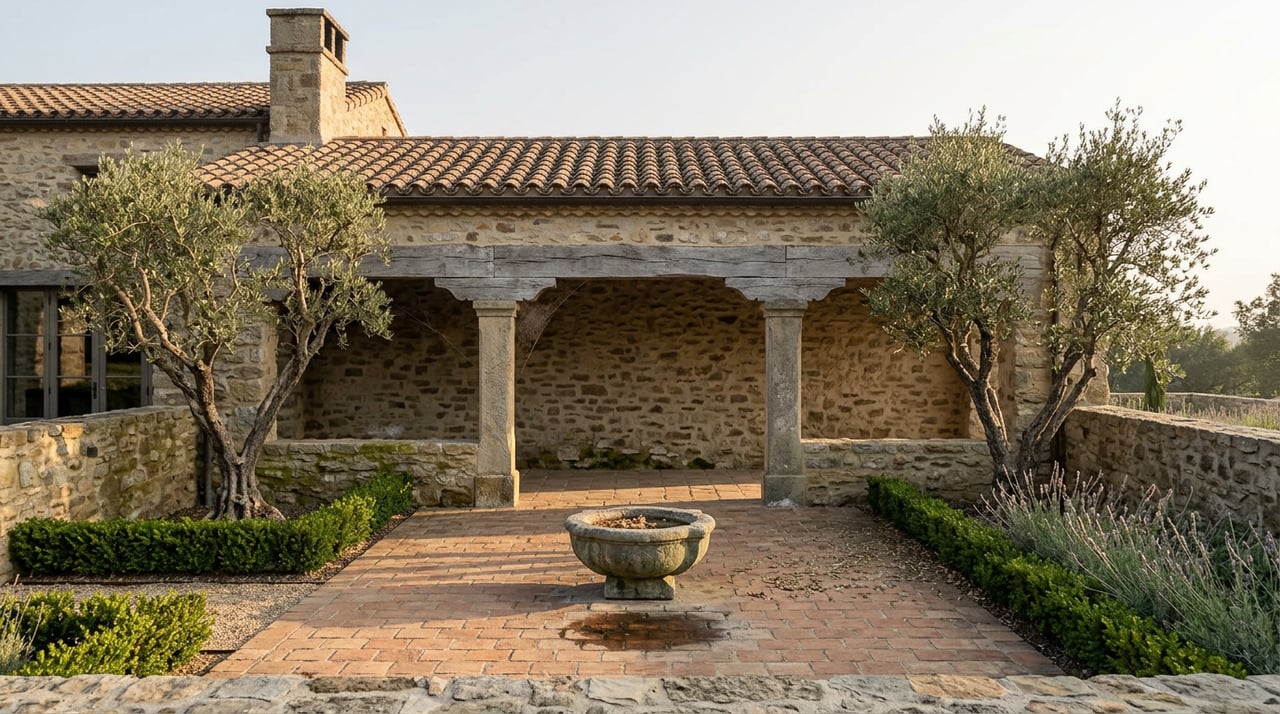
A live/work condo on 1st Street West, near the square, is listed at $885,000. A property along Lovall Valley Road, on Sonoma's Eastside and about twelve minutes from that same square, is on the market for $18.75 million across roughly 107 acres and five legal parcels. Both are described in their listings as "Sonoma." Neither price makes sense next to the city's median, because the median was never describing either one of them.
That is the problem with quoting a single number for Sonoma real estate this year. As of July 2026, the city's average sale price sat at $1.11 million, down 9 percent from a year earlier. In the same window, the median price per square foot climbed 21.3 percent to $673. A falling average and a rising per-square-foot figure sound like they contradict each other. They do not. They are two different markets moving in two different directions, and the countywide or citywide median just averages the difference away.
The paradox is a mix shift, not a slowdown
When an average price drops while price per square foot rises, the simplest explanation is usually the correct one: the properties trading hands got smaller. Fewer big Eastside estates closed, more compact in-town units did, and the blended average fell even as buyers paid more for every square foot of the smaller product. Sonoma sold 43 homes in May 2026, up from 35 the year before, with homes averaging 34 days on market and roughly three offers apiece. That is a market with real depth in its walkable core. It is not a market in retreat. It is a market where the center of gravity shifted toward smaller, closer-in properties, and the citywide average followed that shift down even as the price of walkability went up.
This matters for anyone comparing Sonoma to a portal median before they have toured a single street. The number you saw online was built from a blend of a $615,000 Sonoma Lofts condo and an $18.75 million Lovall Valley estate. Averaging those together tells you almost nothing about what either one costs to actually live in.
Three zones, three different logics
Sonoma is small enough that people talk about it as one town, but it prices like three separate ones. Each zone has its own inventory type, its own comparable set, and its own reason a buyer would choose it.
| Zone | What's typically for sale | Recent comparable pricing | What you're trading |
|---|---|---|---|
| Plaza core (steps to the square) | Live/work condos, loft conversions, remodeled townhomes | A Sonoma Lofts unit closed at $615,000; a live/work condo listed at $885,000; a remodeled West Spain Street townhome one block from the square sold at $1.3 million | Square footage and yard, in exchange for a walk to dinner instead of a drive |
| Established in-town streets | Craftsman bungalows, mid-century homes, larger Eastside houses | A useful current band runs roughly $700,000 to $2 million, with larger Eastside homes reaching or exceeding $2 million | More house and more yard, a short bike ride from the Plaza rather than a walk |
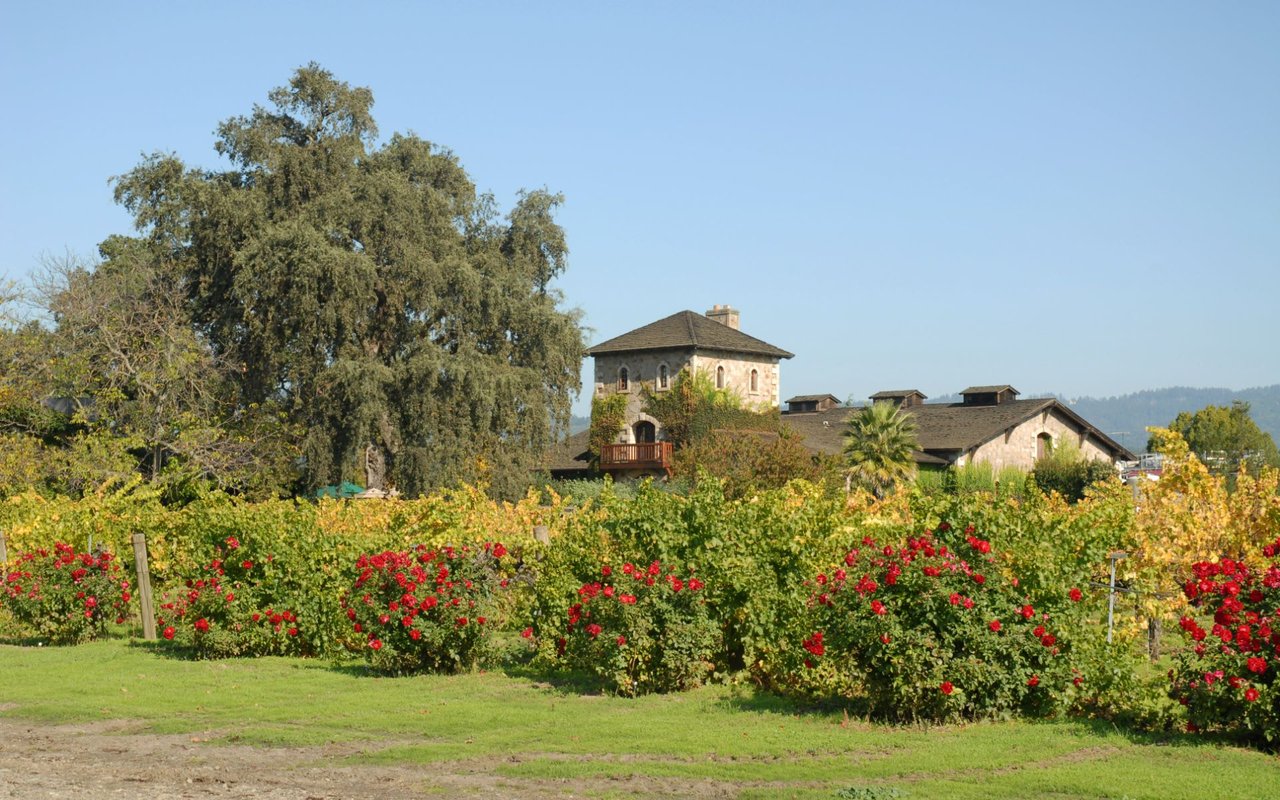
| Country edge (Lovall Valley, Carriger Road corridor, Sonoma Mountain Heights, Sobre Vista) | Acreage, vineyard-view estates, ranch and equestrian properties | A 12.3-acre Lovall Valley property closed at $4.575 million; a roughly 107-acre holding in the same corridor is listed at $18.75 million | Privacy and land, often still just minutes from downtown by car |
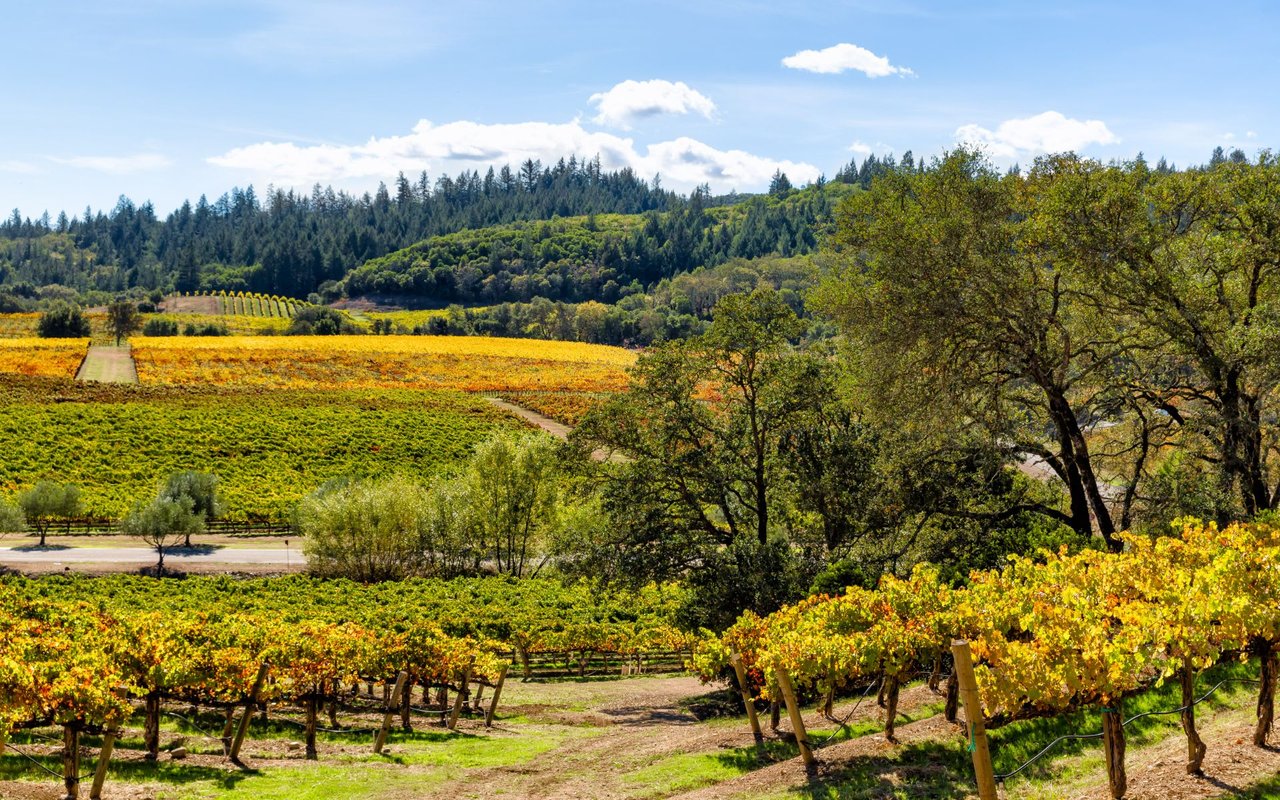
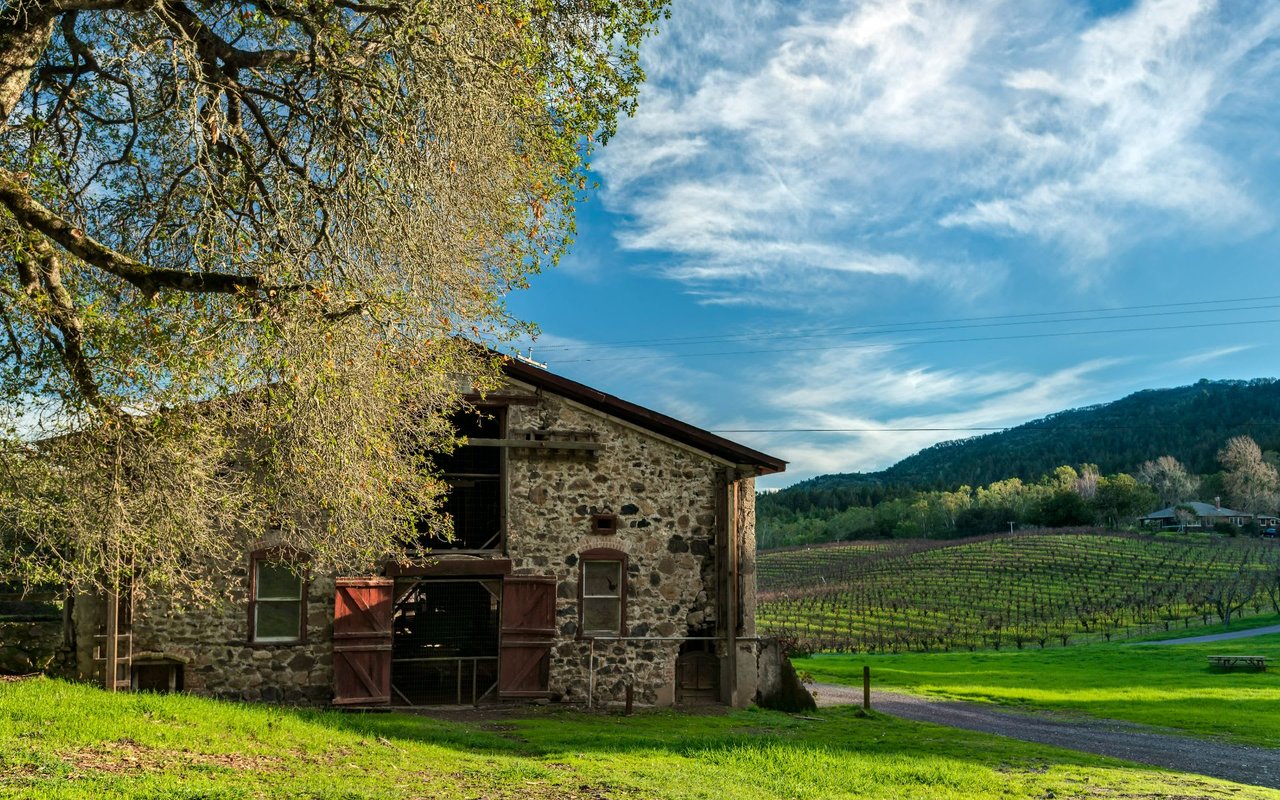
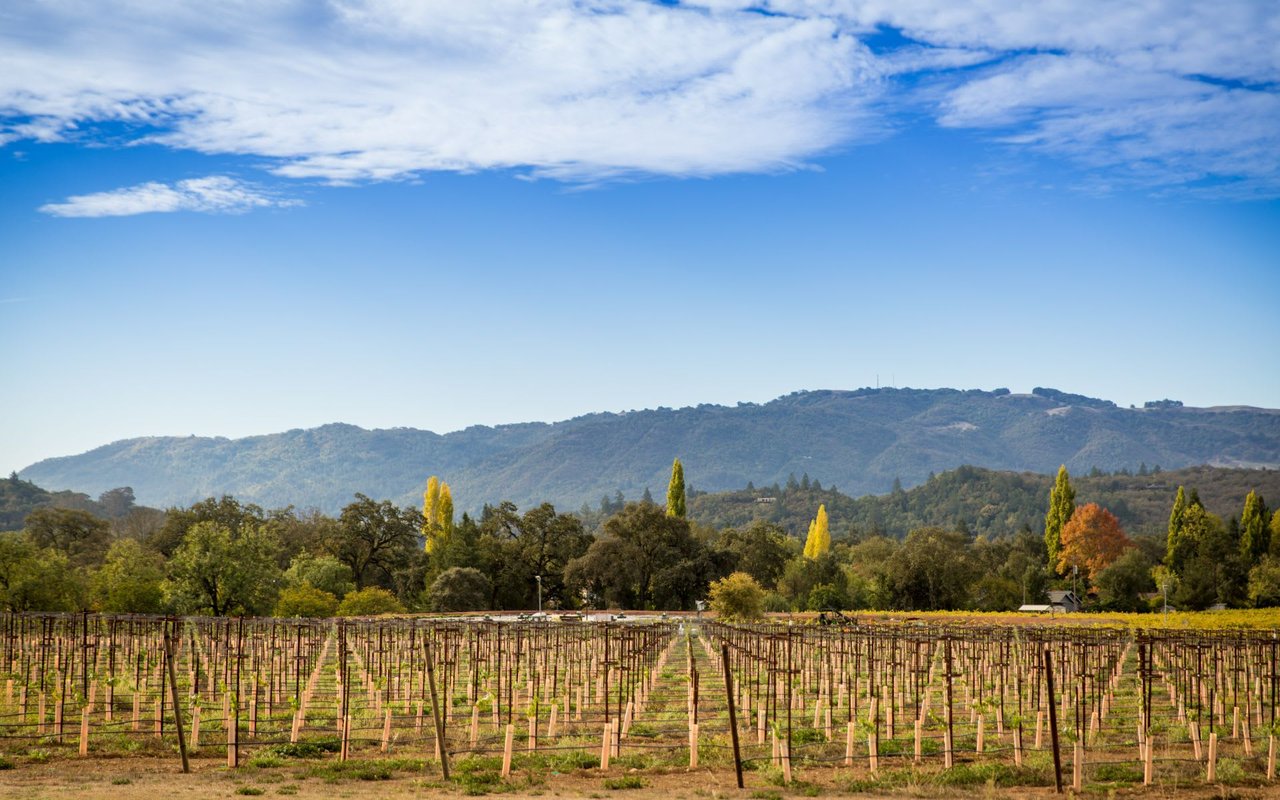
The country edge is the part buyers most often misjudge. "Twelve minutes from the Plaza" sounds remote until you realize that in Sonoma, twelve minutes is the country. These properties are drive-oriented rather than walkable, but drive-oriented is not the same as far. A buyer who assumes acreage means isolation is working from the wrong map.
Why the walk itself is worth paying for
The clearest evidence that walkability carries its own price tag comes from Healdsburg, Sonoma's closest peer in downtown-plaza economics. A local luxury agent who has tracked that market for a decade puts a number on it: being within about a 15-minute walk of the plaza adds roughly 25 percent to a home's value compared to a property just a few blocks further out. Sonoma's own commercial activity right on the square suggests the same dynamic is building here. The team behind The Girl & The Fig quietly took over the former Maya Restaurant space on a prominent Plaza corner, a sign that ground-floor turnover on Sonoma's own eight-acre square is still tightening rather than easing.
None of that is a confirmed Sonoma-specific multiplier. It is a documented pattern in a comparable Wine Country plaza, paired with visible evidence that Sonoma's own square is getting more competitive at street level. Buyers weighing a near-Plaza condo against an equivalent-priced in-town house further out should expect the walk itself to be doing real pricing work, even if no single Sonoma-specific study has isolated the exact percentage.
What this means before you write an offer
Anchoring on Sonoma's citywide median is close to useless for a specific purchase decision. The more useful exercise is to identify which of the three zones actually matches how you plan to live, then compare only within that zone.
A buyer who wants to walk to dinner on the square on a Tuesday night is competing in the Plaza-core lane, where inventory runs smaller and the per-square-foot price is the highest in town. A buyer who wants a bigger house and yard but still expects to bike to dinner is in the established in-town lane, where the $700,000 to $2 million band applies and larger Eastside homes push past it. A buyer chasing acreage, privacy, or a vineyard view is in the country-edge lane, where twelve minutes from the square is normal and the real comparison set is other Lovall Valley or Carriger Road parcels, not anything with a Plaza-adjacent address.
Trying to compare across lanes with a single median as the yardstick produces exactly the kind of confusion that shows up when a buyer expects Eastside acreage pricing to resemble a Plaza condo's per-square-foot number, or expects a walkable in-town cottage to come with the land a country property offers at a similar headline price.
A short FAQ
Does the falling average sale price mean Sonoma is getting cheaper? Not in any way a buyer should count on. The average fell because the mix of what sold shifted toward smaller, closer-in properties, while Sonoma's median price per square foot rose 21.3 percent year over year to $673 as of July 2026. A lower average with a higher per-square-foot figure is evidence of a mix shift, not a broad discount.
Is "twelve minutes from the Plaza" actually close? By Sonoma's own market logic, yes. Properties along Lovall Valley Road and similar country-edge corridors are routinely marketed and priced as being just minutes from downtown, even while offering acreage and privacy that no in-town lot could match. Drive-oriented does not mean remote here.
How should I compare a Plaza-area condo to a country-edge estate? Do not. They are priced by different logics, walkability and finish for one, acreage and privacy for the other, and comparing their price per square foot or their headline price tells you very little. Compare each property only against others in its own zone.
Sonoma's real estate story this year is not one market softening or strengthening. It is three markets moving at three different speeds, blended into one misleading number every time a portal reports a citywide median. If you are trying to figure out which of those three markets actually fits how you want to live, and what a specific property in that zone is really worth against its true comparables, Caroline Sebastiani can walk you through a free home valuation built on Sonoma's actual zones, not its average.