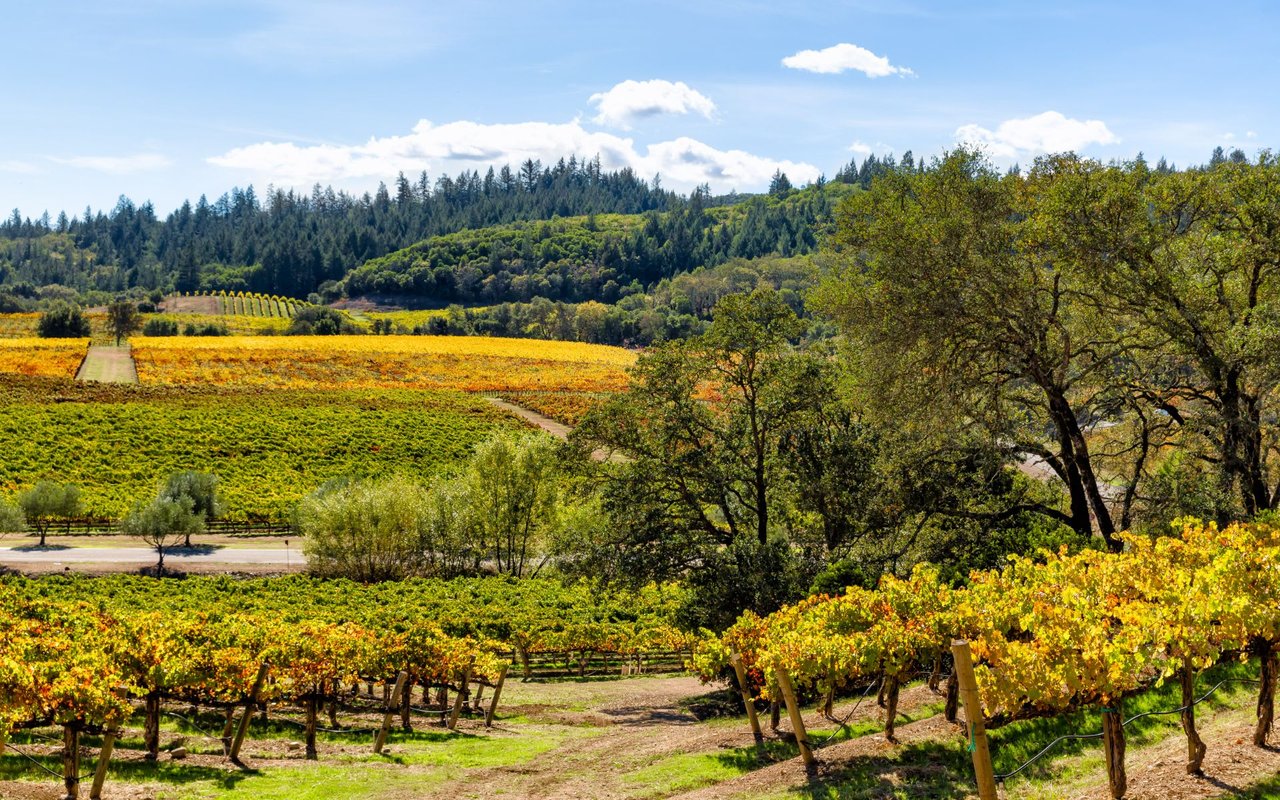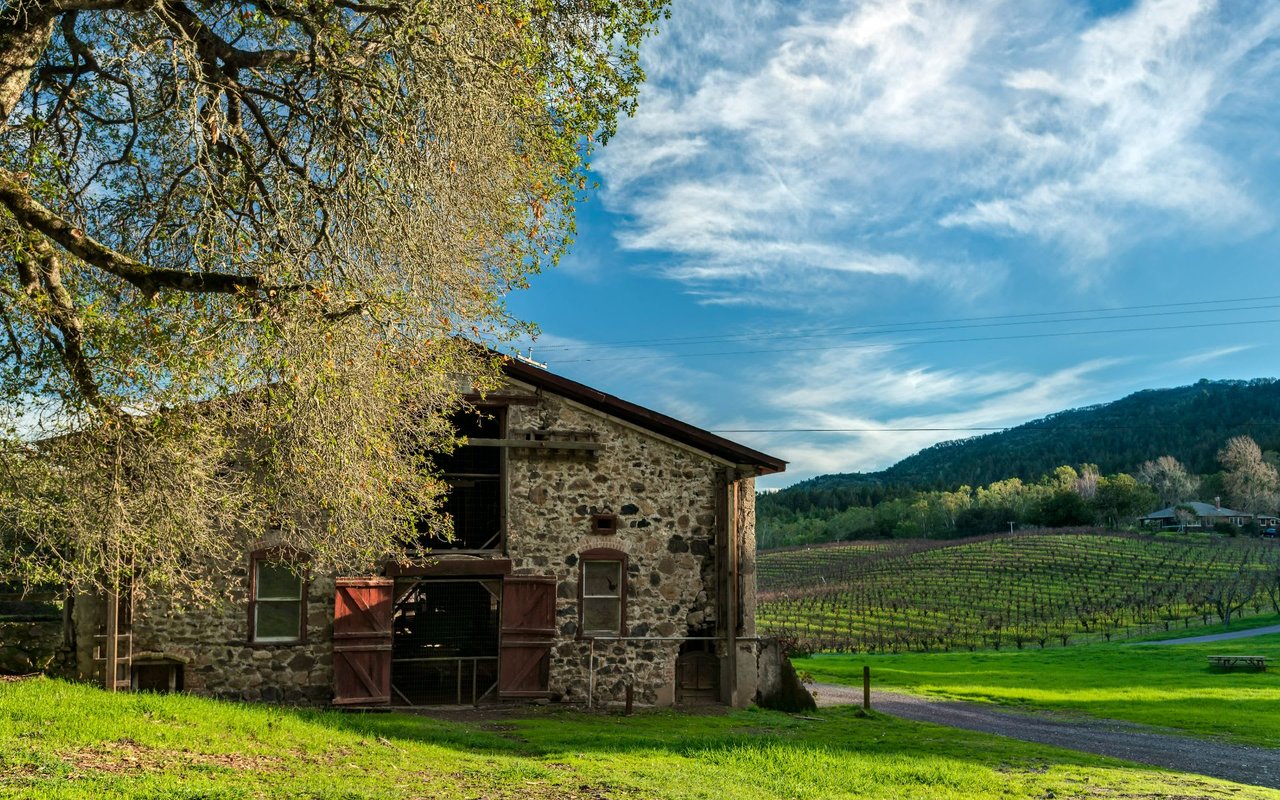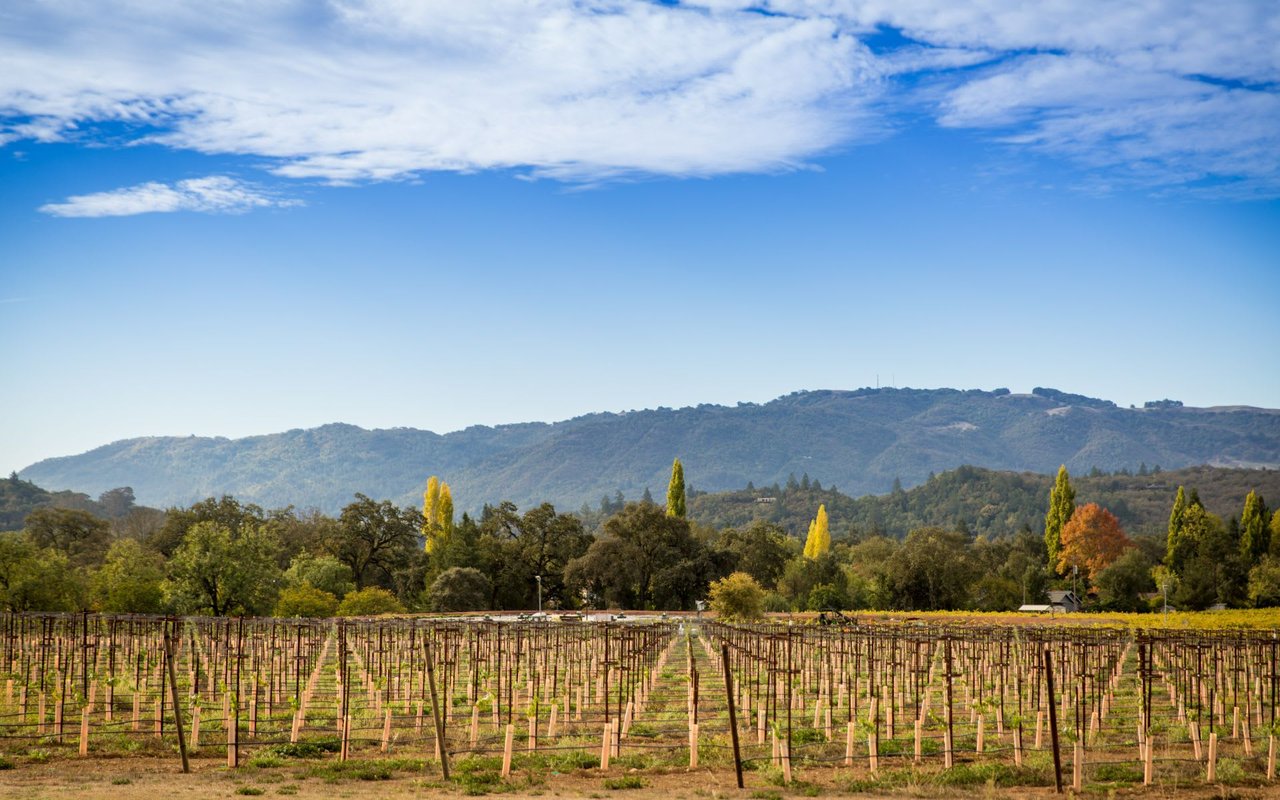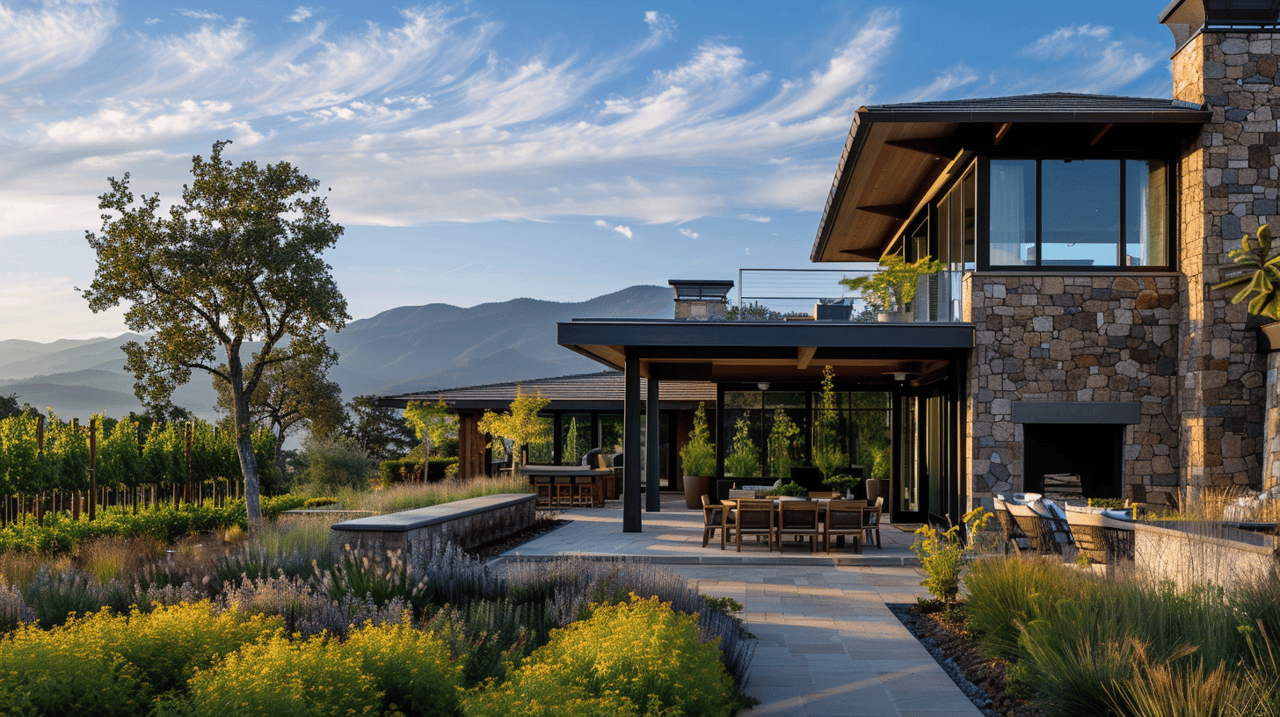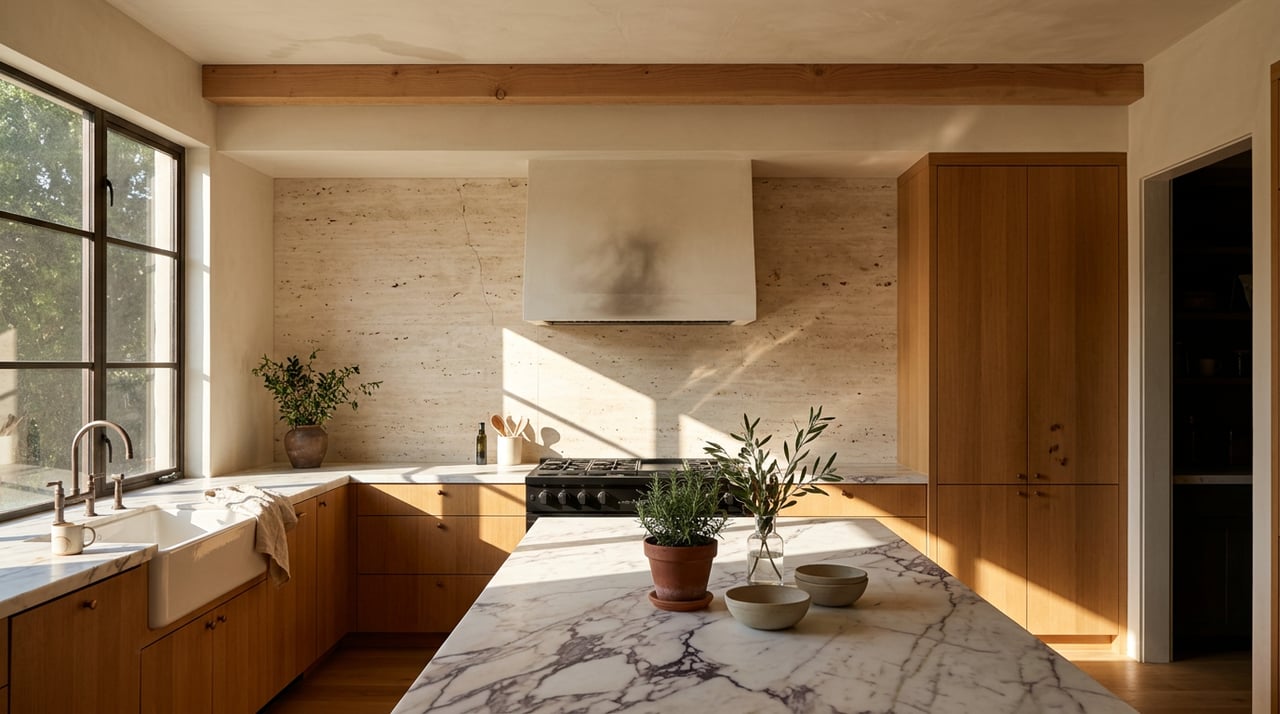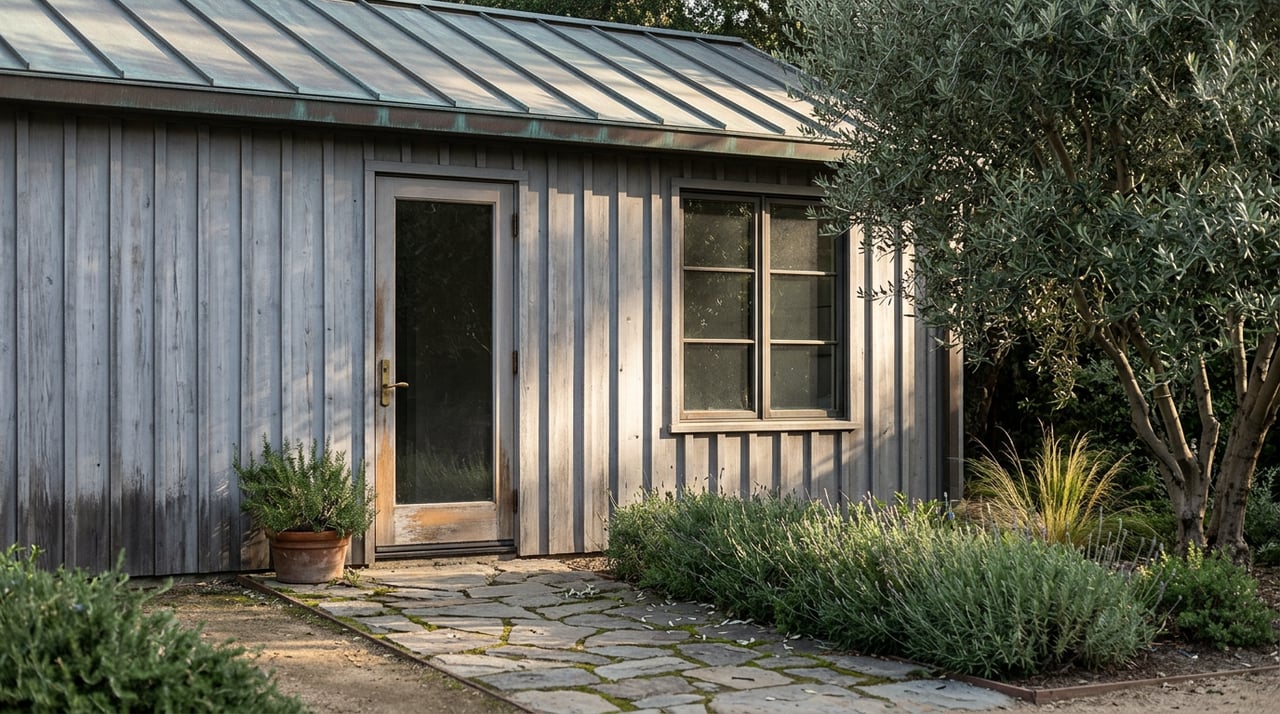
A Glen Ellen listing with an active Airbnb history reads like a bonus. Trailing revenue figures, a five-star track record, maybe a photo gallery of the fire pit at dusk. For a buyer weighing a second home in Sonoma Valley against the cost of a mortgage, that income looks like it comes with the house.
It does not, and in Glen Ellen specifically, it almost never will again.
The zoning most buyers never check
Glen Ellen's village core sits inside what Sonoma County calls the Vacation Rental Exclusion Combining District, a zoning overlay that has blocked new vacation rental permits there since May 2016. The rule targets the R1 and RR zoning that covers most of the village itself, along with the same designation in Kenwood, Boyes Hot Springs, Fetters Hot Springs, El Verano, and Agua Caliente. Once a parcel falls inside the district, the underlying zoning stops mattering. No new permit gets issued, regardless of lot size, septic capacity, or how many bedrooms the house has.
That has not stopped the market from looking active. AirDNA's 2026 data puts 188 short-term rental listings in Glen Ellen, with average trailing twelve-month revenue of roughly $68,100, occupancy near 50 percent, and an average daily rate around $701. AirROI, a separate data provider, estimates average annual revenue closer to $104,000 with a slightly lower occupancy rate. The two platforms disagree on the exact number, which is normal for STR data providers working from different listing samples, but they agree on the shape of the story: real money is moving through a zone the county closed to new applicants a decade ago.
The gap between those two facts is the thing a buyer needs to understand before writing an offer.
How the exclusion got built, parcel by parcel
The 2016 ordinance was not the end of the story. Individual neighborhoods kept petitioning the county for their own protection, and the county kept saying yes.
Slattery Road, a narrow residential lane between Kenwood and Glen Ellen, became the first neighborhood to win its own exclusion zone. The process started in spring 2016 when resident Michael Morrison began the application. It took two years and cost the neighborhood more than $10,000 in zone-change fees and staff time before the Board of Supervisors approved it in 2018. Morrison's argument to the board was simple:
"This is a one-lane, dead-end road, with only a few turnouts here and there that locals know about."
Morningside Mountain followed a similar path. A neighborhood of homes on Morningside Mountain Road, Vigilante Road, and Oso Trail, just south of the Sonoma Developmental Center in Eldridge, petitioned the Sonoma Valley Citizens Advisory Commission to add its parcels to the exclusion district, citing an unsafe private road, wildfire evacuation concerns, and a locked entrance gate that had delayed a volunteer fire crew responding to a smoke report. The commission narrowly endorsed the request.
By 2023, the county was still adding to the map. That year's ordinance update tightened existing exclusions around Glen Ellen and Kenwood further, on top of a separate, county-wide rule that disqualified all R1-zoned parcels from new vacation rental eligibility regardless of location. Ordinance 6221, adopted in May 2018, is the specific action that formally added Glen Ellen parcels to the Vacation Rental Exclusion Combining District.
None of this happened quietly, and none of it happened all at once. It happened because individual streets asked for it, one zoning hearing at a time, over roughly seven years.
Why the listing's income history is not an asset
Sonoma County's rule on transferability is unambiguous: vacation rental permits do not transfer on residential properties. When a home changes hands, the new owner has to apply for a brand new permit under whatever rules are in place on the day they apply, not the rules that were in place when the seller got permitted.
For a Glen Ellen home inside the exclusion district, that means the application goes nowhere. It does not matter if the current owner has operated legally and profitably for years. The zoning excludes new permits outright, so a change in ownership ends the ability to operate as a vacation rental, regardless of what the departing owner was earning the week before closing.
There is one narrow exception, and it does not apply to most Glen Ellen village homes. A 2018 rule allowed agricultural-zoned properties that were already operating as vacation rentals to apply for a minor use permit that runs with the land, surviving a future sale. That pathway was built for Land Intensive Agriculture parcels, not the R1 and RR lots that make up the excluded core of the village. If a Glen Ellen property is being marketed with income history and it sits on one of those agricultural zonings, it is worth asking specifically whether that minor use permit was obtained, because it is the rare case where the county's default rule does not apply.
Vineyard parcels carry a separate restriction worth knowing about. Any property enrolled in a Williamson Act agricultural preserve contract cannot operate as a vacation or hosted rental at all, contract terms aside. Given how many Glen Ellen area properties sit on enrolled agricultural land, that restriction is worth confirming early if rental potential is part of the appeal.
What actually varies by parcel
Not every property near Glen Ellen falls inside the excluded footprint. The exclusion district was built street by street and neighborhood by neighborhood, which means a home a few hundred yards outside a mapped boundary can sit in genuinely different territory.
| Zoning status | What it means for a buyer | Where it shows up near Glen Ellen |
|---|---|---|
| Vacation Rental Exclusion (X) Combining District | No new permits issued, regardless of underlying zoning | The village's R1 and RR core, Slattery Road, the Morningside Mountain neighborhood, and other parcels added since 2016 |
| 5% or 10% Cap Combining District | New permits allowed only until the district hits its density cap | Select outlying parcels affected by the 2023 rezoning |
| AR, RR, LEA, DA, or RRD zoning outside any exclusion or cap district | Eligible for a new permit if septic capacity and parking requirements are met | Rural parcels bordering the village that were never swept into the 2016 or 2023 exclusion maps |
| R1, R2, R3, PC, or LIA zoning countywide | Not eligible for a new permit under current rules | Scattered in-town parcels across the wider Sonoma Valley |
The only way to know which category a specific address falls into is to look it up. Sonoma County maintains a public zoning database and a vacation rental map viewer that show exclusion boundaries, cap zone status, and existing permitted addresses by parcel. A listing agent quoting rental income should be able to point to the permit number and its issue date. If they cannot, that is itself an answer.
What this means before you write an offer
None of this makes a Glen Ellen property a bad purchase. It changes what the purchase is for. A home in the exclusion zone is a home you buy to live in, or to use as a second residence, not a home you buy for its trailing twelve months of Airbnb receipts. The revenue figures attached to a current listing describe the seller's situation, built over years of grandfathered status, and that situation does not travel with the title.
For buyers drawn to Glen Ellen for the reasons that actually hold up after closing, the village's walkability, its proximity to Jack London State Historic Park, and its position inside a Wine Country market with genuinely scarce inventory, the zoning question is worth a phone call to Permit Sonoma before it becomes a line item in a purchase agreement. For sellers marketing a property that does hold a valid, still-active permit, the honest move is disclosing exactly what expires at closing and what a buyer would need to requalify, since a decade of rules changes has made requalification effectively impossible for most of the village.
A few questions worth asking before you get further into a Glen Ellen transaction:
Does an existing vacation rental permit ever survive a sale in Glen Ellen? Only in the narrow case of certain agricultural-zoned parcels that obtained a specific minor use permit under a 2018 county rule. For the R1 and RR zoned homes that make up most of the village, the permit ends at transfer.
Can a buyer still rent out a room while living in the house? Hosted rentals, where the owner remains on site and rents a portion of the home, are regulated separately from whole-house vacation rentals and may still be permitted in some areas where vacation rentals are excluded. Confirm the specific rule for the parcel rather than assuming it follows the vacation rental exclusion.
Does the exclusion affect resale value? It affects what the buyer is purchasing. A home marketed with strong rental history but no transferable permit is being sold on a feature that ends at closing, and pricing that reflects an assumption of continued rental income is pricing a benefit the next owner cannot access.
Sonoma Valley real estate rewards buyers who ask the right question before they fall for the right photo. If you are weighing a Glen Ellen property and want a clear read on what its zoning actually allows, Caroline Sebastiani can walk through the parcel history with you and help you separate what a listing shows from what a deed will let you do. Reach out for a free home valuation and a straight answer on what you are actually buying.